
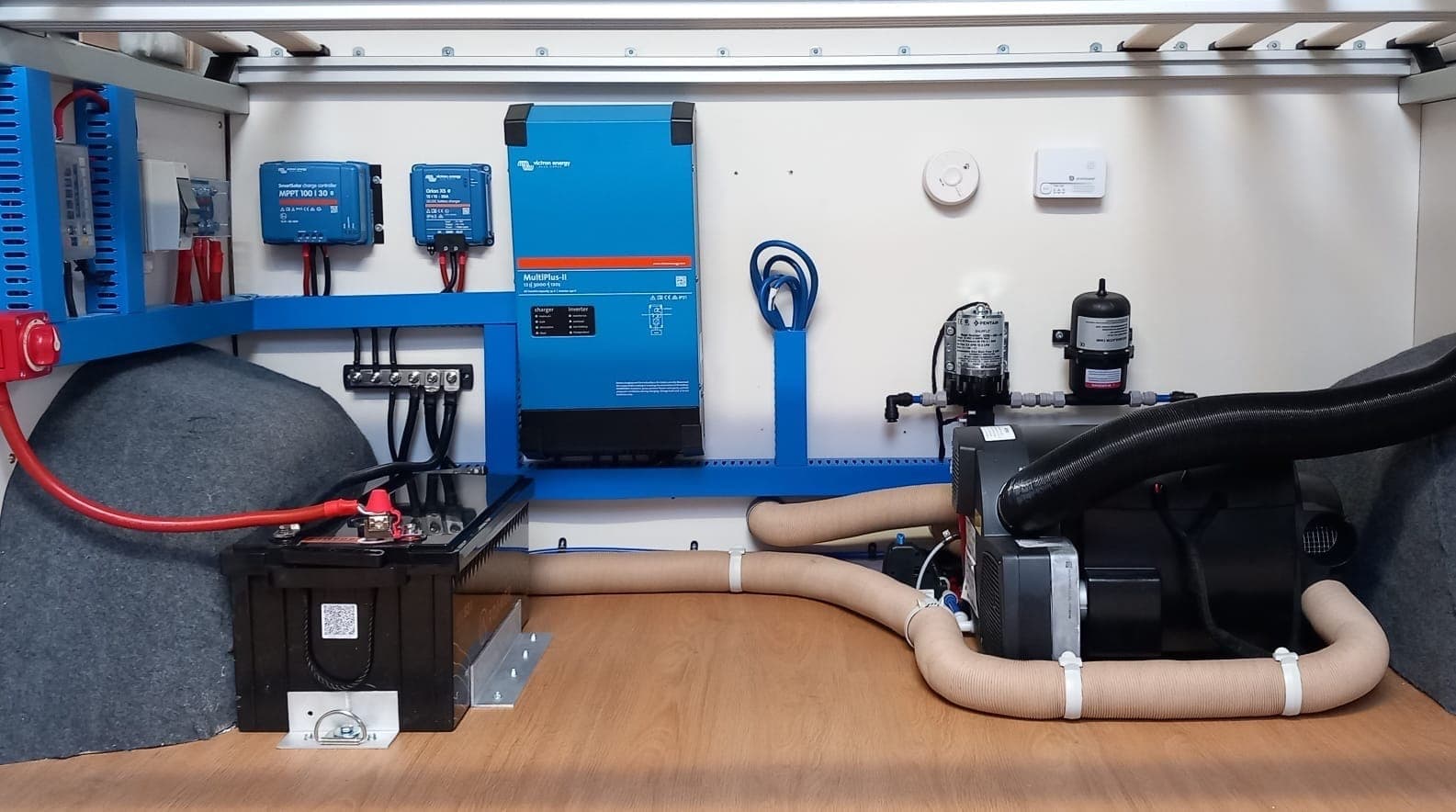
Thinking a DIY campervan electrics project but unsure where to start? You're not alone.
Many vanlifers choose to convert their vans themselves, not just to save money, but to gain independence, control, and a deeper understanding of their homes on wheels.
We have spoken with 1000s of vanlifers over the years, from complete beginners to seasoned road veterans and professional builders, to learn what motivated them, what challenges they faced, and how they overcame them. Here are a few stand out lessons.
Their stories reveal that while van electrics can be intimidating, they're also one of the most empowering parts of a conversion, especially when you do it yourself.
TL;DR
- Confidence Through DIY: Doing your own electrics means you’ll confidently handle future repairs.
- Steep but Doable Learning Curve: Electrics are intimidating at first, but manageable with patience and online resources—i.e., “YouTube University”
- Planning Saves Pain: Careful planning reduces costly do-overs; expect some trial and error.
- Respect Your Limits:Know when a professional is legally required (e.g., high-voltage systems).
- Quality Pays Off: Cheap parts often fail—invest upfront in reliable components.
- Simplify with Kits: Comprehensive electrical kits save time, money, and headaches.
- Learn from Others: Real-life examples help you choose the right electrical setup for your needs.
DESIGN A CUSTOM ELECTRICAL SYSTEM FOR YOUR CAMPERVAN IN MINUTES
Why DIY? Motivations Behind Building Your Own Electrical System
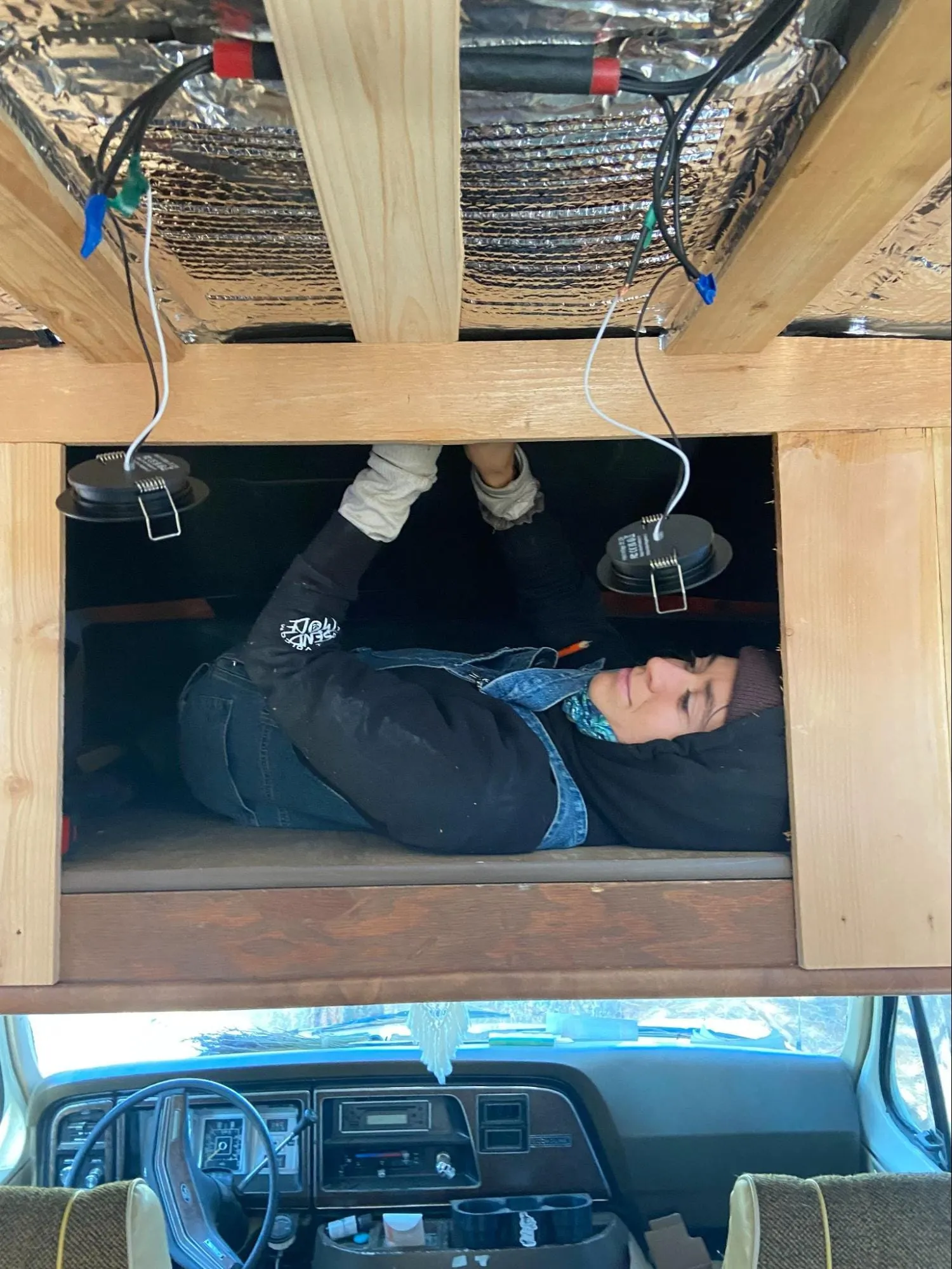
Maintenance is one of the main reasons you want to do your own van conversion, including electrics. Vanlifers often overlook post-build maintenance or what happens when things break down and you're in the middle of nowhere with no one to fix it.
Even when there is someone to fix it, they'll probably charge hundreds of £/$/€ just for the labour.
Converting your van and installing the electrics yourself means you know how everything goes together, so you can fix it yourself, or at least diagnose the problem to get the right help.
Solo female vanlifer on the importance of doing your own conversion
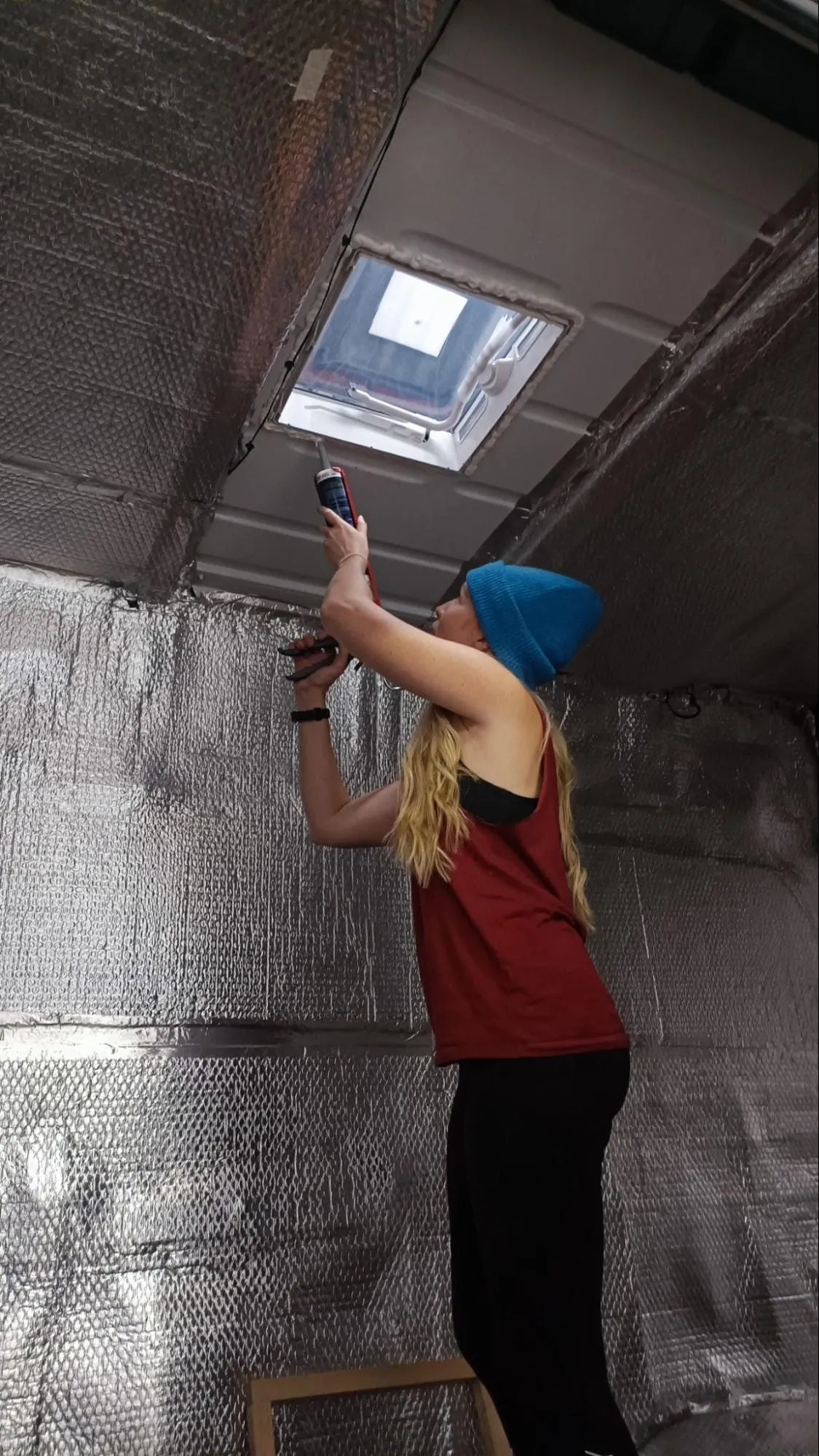
Birmingham native Luci Norris discussed the importance of doing her van conversion herself. She noted that undertaking the entire build process herself, without professional help, has given her a heightened sense of confidence.
She explained that because she built the van herself, including putting together the plumbing using "push fits" (self-assembly plumbing aids), she knows how to repair things when they go wrong. This practical knowledge gained during the conversion is invaluable when she encounters issues while travelling independently.
"I recently had a leak in my shower, and one of my components for the tank had come off. I had to remove all the plumbing underneath the van while in a car park in the middle of Portugal. But I know how to do that because I put it all together."
While learning to install a complete electrical system can feel intimidating, especially if you're starting from scratch, many vanlifers prove it's more doable than first anticipated.
With the right mindset and resources, even beginners can build safe, functional setups that power their lives on the road. We explore the surprising (and sometimes bumpy) learning curves that come with DIY campervan electrics, and how these vanlifers turned confusion into confidence.
The Van Electrics Learning Curve: From Novice to Wiring Guru
For most DIY vanlifers, electrical work is the steepest part of the learning curve. Unlike cabinetry or insulation, there's real risk involved—shocks, fire hazards, or just ending up with a system that doesn't work.
While the jargon might sound technical and the diagrams initially intimidating, countless vanlifers have shown that you don't need an electrician to figure it out. With determination, trial and error, and a lot of YouTube, anyone can go from clueless to confident.
Lance's shocking trial, error, and YouTube rewinds
Lance, a full-time vanlifer and founder of Vanfest, built his van during the height of the pandemic—armed with a table saw and his old high school woodshop skills. While he had some basic electrical knowledge, he relied heavily on online resources.
"It was a lot of trial and error. It was a lot of watching YouTube and rewatching YouTube and—wait, wait, rewind, rewind. What did they say? What did they do?"
Despite some early shocks—literally—Lance gained confidence and built a fully off-grid system that grew over time from 400 to 800 watts of solar and 800 amp-hours of battery storage. His first experience with lithium batteries came with a learning curve, but the support he got helped push him forward.
"I only shocked myself once or twice... It was a little daunting with the batteries because the cables are thick. But I learned a lot."
Lance's story reminds us that you don't need to be an expert—you just need to be curious, persistent, and willing to rewind the video a few times.
The Importance of Planning Your Electrical System
If there's one thing many vanlifers agree on, it's this: you'll probably do everything at least twice. Dominique Ritchie, a seasoned Canadian solo traveller and multi-van builder, put it best:
"When I started my build, a friend told me, 'Be prepared to do everything twice.' I thought that sounded annoying... but the reality is that everything in this van has been done twice."
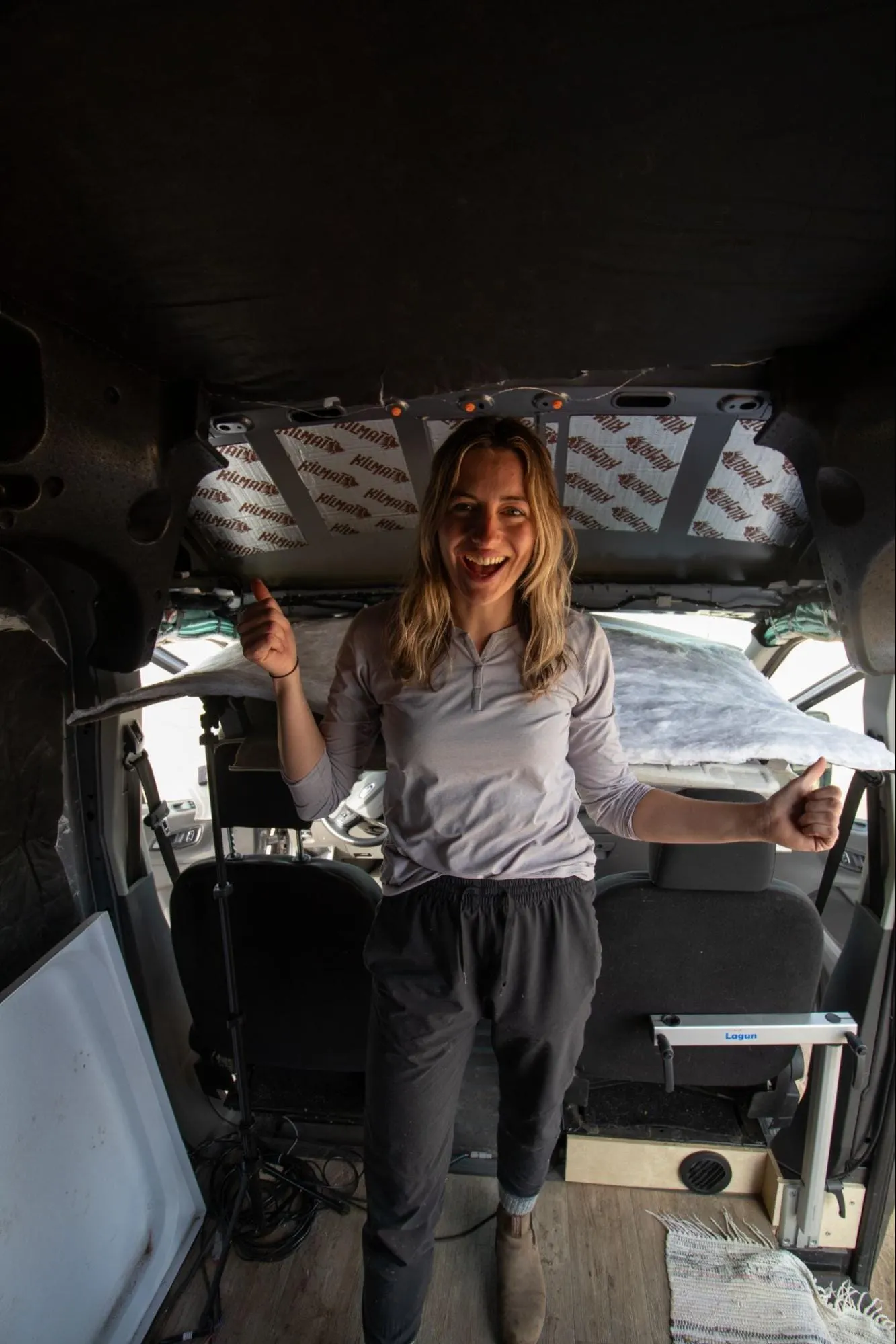
Like many others, Dominique learned the hard way that poor planning, especially concerning van electrics, can be costly and time-consuming. Mistakes might not show up until the entire system is in place, forcing a tear-down and redo. And that's not just frustrating; it's expensive.
A professional's approach to electrical planning
Skoolie builder Gabe from East Coast Campers also learned this hard lesson early on, which is why planning is central to his professional process. He starts with how the client will use the van—daily travel vs. extended stays, appliance needs, solar vs. shore power—and builds from there:
"The systems are the first things we try to determine when building a skoolie.... So, how big of an electrical system are we going to have? What kind of electrical system are we going to have? Solar, DC to DC, shore power, and all that?"
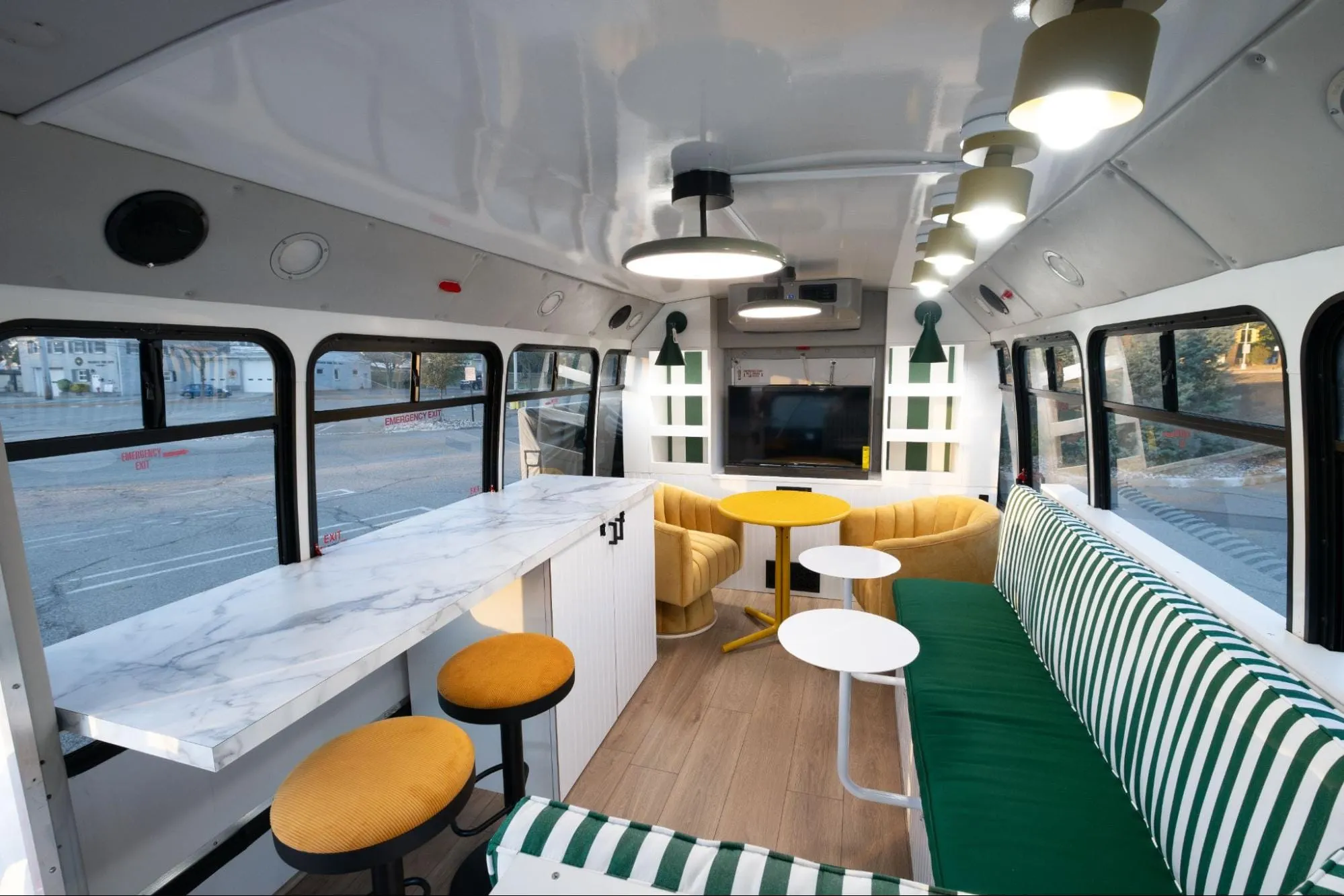
"We plan our builds around these systems... We're making custom furniture to fit not only within the van but also around our systems. We plan everything down to how many 45s, how many 90s connectors we need, how much five-gauge, how much ten-gauge wire... We figure out exactly what we need. And then once we get building, we are just building. That's it."
The ultimate van electrics planning tool
A professional's takeaway? Plan your electrical system and design the van around it. Luckily, there's an easy way to do this using our van electrics builder. In a few clicks, you get a comprehensive electrical system down to the nuts and bolts.
"I was unsure on what electrical system I needed/wanted 🙈 until I came across the Vunked website, they literally do everything for you, all you need to do is answer a few questions about what you want from your set up. They send you absolutely everything you need, and you get a very detailed, easy-to-understand guide and wiring diagram." — Adam via TrustPilot.
Common Challenges & How They Overcame Them
Even with the best planning, building your van's electrical system isn't always smooth sailing. From blown fuses and undersized wires to confusing voltage drops and costly component swaps, most DIYers hit a few snags along the way. But these challenges often become the most valuable part of the learning experience.
Understanding 12V vs 230 / 240V systems
Getting to grips with different electrical standards can be confusing, especially for first-time builders. The risk of mixing them up isn't just technical—it can be dangerous.
Nigel & Sue, building their van in Australia, learned that AC systems (240V) have strict legal requirements. It's essential to know these requirements in case you need certificates or sign-offs from a professional.
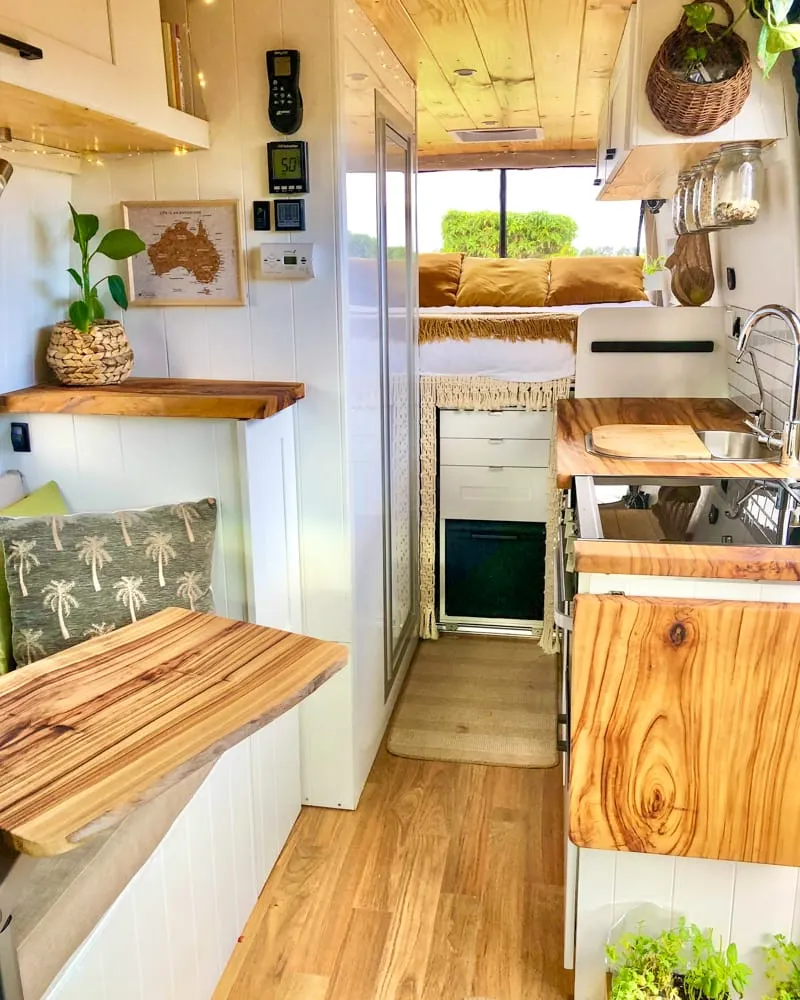
"We did a lot of the electrical ourselves, but with 240V mains, you need a qualified electrician here in Queensland. It's not something you can DIY legally." – Nigel & Sue.
Their takeaway? Know your limits and the regulations you must follow to complete your build compliantly.
Sourcing the right electrical components
From batteries and inverters to fuses and connectors, vanlifers often struggle with knowing what to buy—and where to buy it. Many buy the wrong parts without proper guidance, wasting time and money.
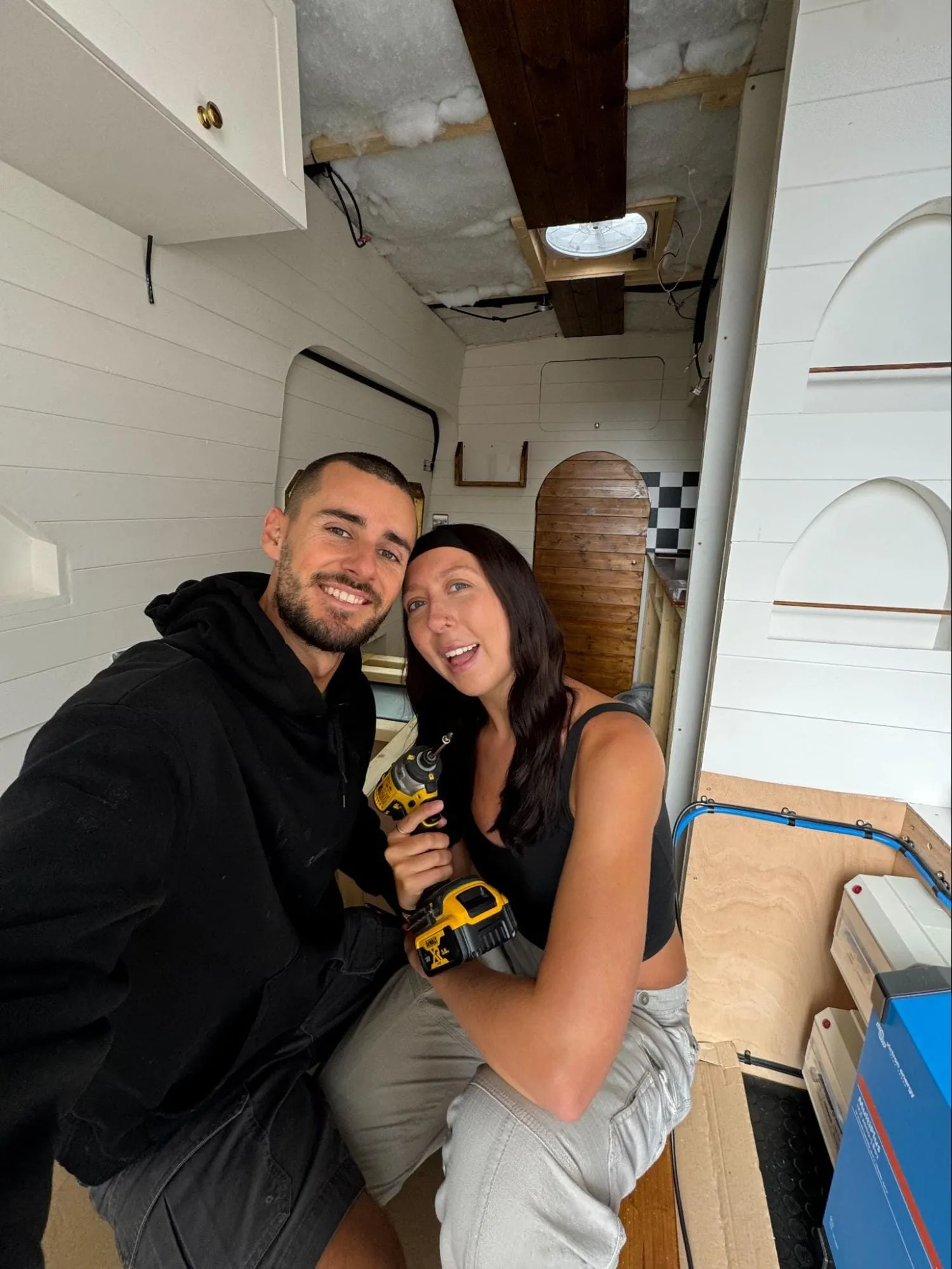
Lauren & Louis, total beginners when they started, used Vunked to avoid guesswork and incorrect advice:
"We used Vunked for our electrics, which was super helpful. They provided everything we needed—wiring, diagrams, even the fuses—so we didn't have to guess what we were doing." — Lauren & Louis.
Getting a comprehensive electrical kit and expert advice provides peace of mind and will save hours of research while avoiding risks.
Underestimating costs
Electrical components are expensive, something that surprises many new vanlifers. While you can get away with a "cheap/budget" system, you will invariably end up paying twice, resulting in higher costs—often sooner than you anticipate.
Vunked co-owner and occasional vanlifer Ross learned that mid-tier electrical systems are unreliable:
"We tried selling the other [Renogy] equipment... and you know, it's not bad, but we definitely noticed significantly more problems—customers saying, 'this is broken' or 'it's not working.' It got to the stage where we said, 'this really isn't worth it.' So we stopped selling it. We stick with Victron now because they've got a five-year warranty. They just don't break, and if they do, they're super quick to replace them."
Professional skoolie builder Gabe adds to this sentiment: "People think they can get away with $500... You might be able to—but your bus might catch fire."
From quality lithium batteries to heavy-gauge wire and fittings, costs add up quickly if you want a safe and reliable system. Use trustworthy online resources to design your electrical system and avoid "the cheap route."
Examples of Van Electrical Systems
We asked vanlifers from around the world to break down their electrical setups. Here's a snapshot of what powers their lives on the road—from minimalist systems to complete off-grid rigs.
🚐 Use Case: Lucinda Norris – Remote worker, full-time vanlifer
🔋 Batteries:
- 2 X 100Ah AGM Batteries
☀️ Charging:
- xW of solar with Victron MPPT
- 18A DC-DC charger
- (campsite hook up) - not for this one
🔌 Usage:
- 1500W Inverter for 230V appliances - {insert appliances if you have}
- 12V Appliances - toilet, roof fan, fridge, water pump
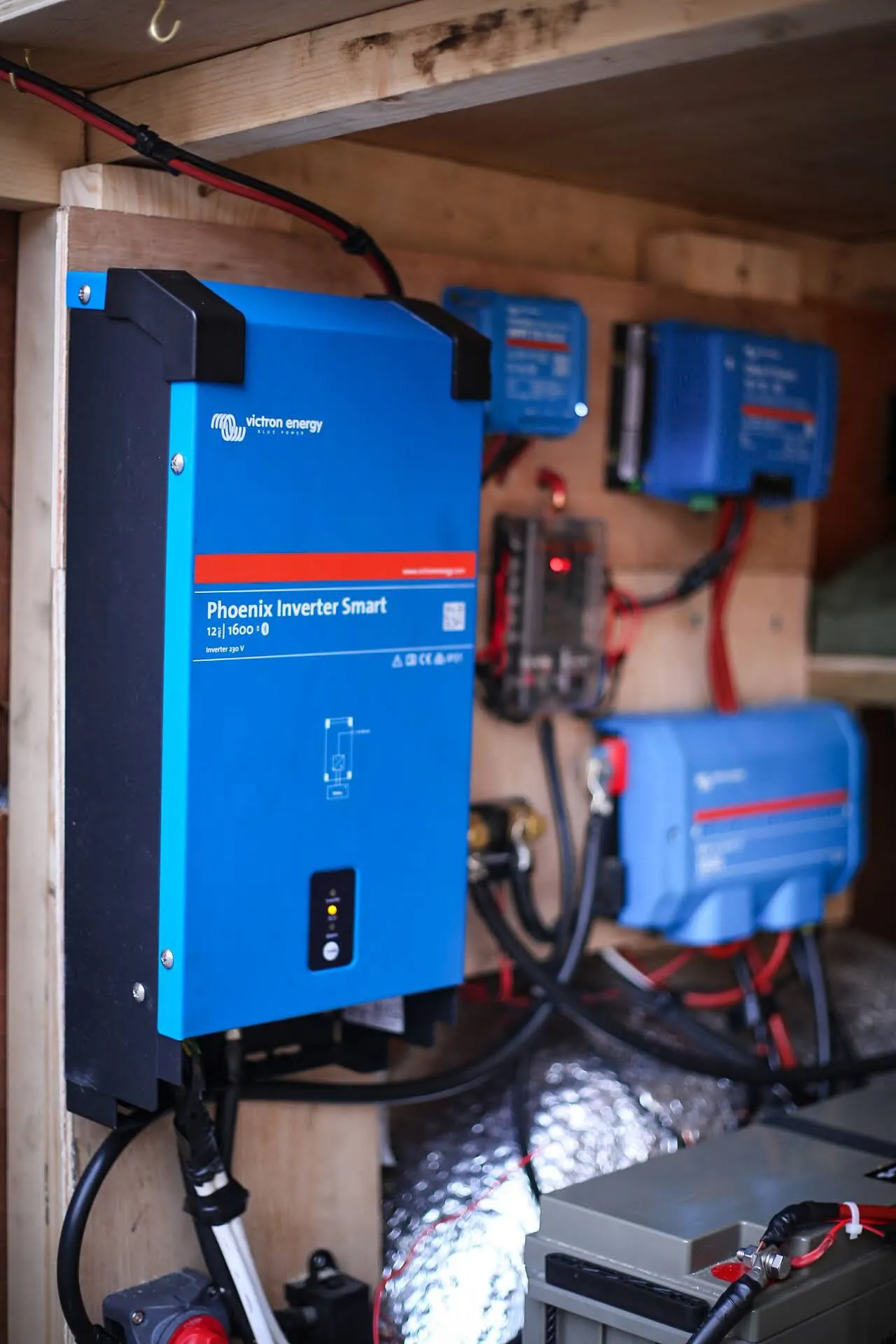
🚐 Use Case: Georgina - Part-time vanlifer
🔋 Batteries:
- Aroma leisure battery
☀️ Charging:
- 400W solar with charge controller
- DC-DC charger
- Campsite hook-up
🔌 Usage:
- 3000W Inverter for 230V appliances – kettle, hob
- 12V Appliances – fridge, fan, lights
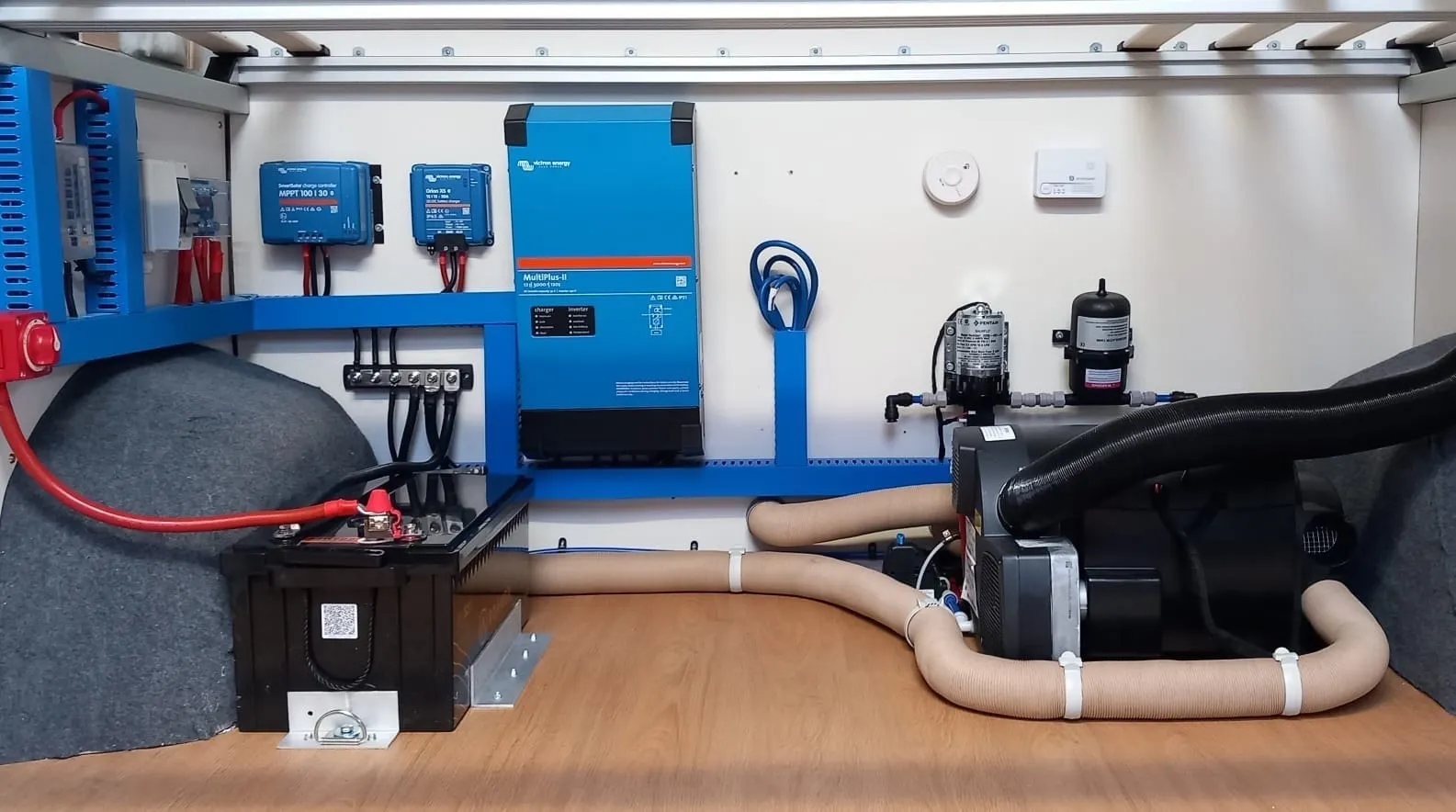
🚐 Use Case: Dominique Ritchie - Remote professional, full-time vanlifer
🔋 Batteries:
- 3 x 200Ah Lithium Batteries (600Ah total)
☀️ Charging:
- Solar with charge controller
- DC-DC charger (alternator)
- Campsite hook-up
🔌 Usage:
- Inverter for 230V appliances – Starlink, oven, induction hob, UV water filter, laptops
- Various 12V appliances
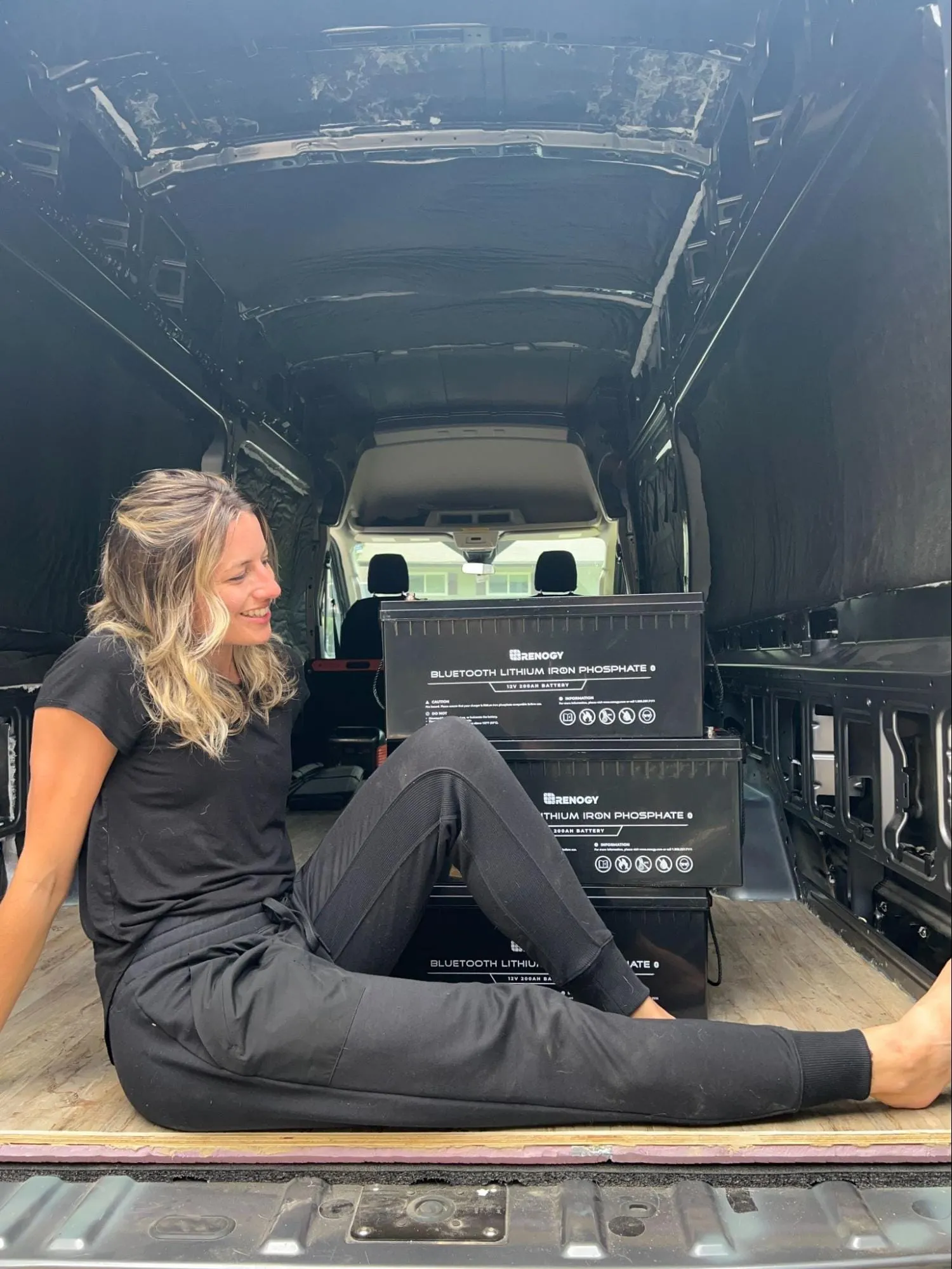
🚐 Use Case: Maisie & Nikita - Seasonal workers, full-time vanlifers
🔋 Batteries:
- 608Ah Foxstar Battery
☀️ Charging:
- 350W solar with charge controller (2 panels)
- DC-DC charger
- Campsite hook-up
🔌 Usage:
- Victron 3000W Inverter for 230V appliances – adapted 240V fixtures
- 12V Appliances – LED lighting
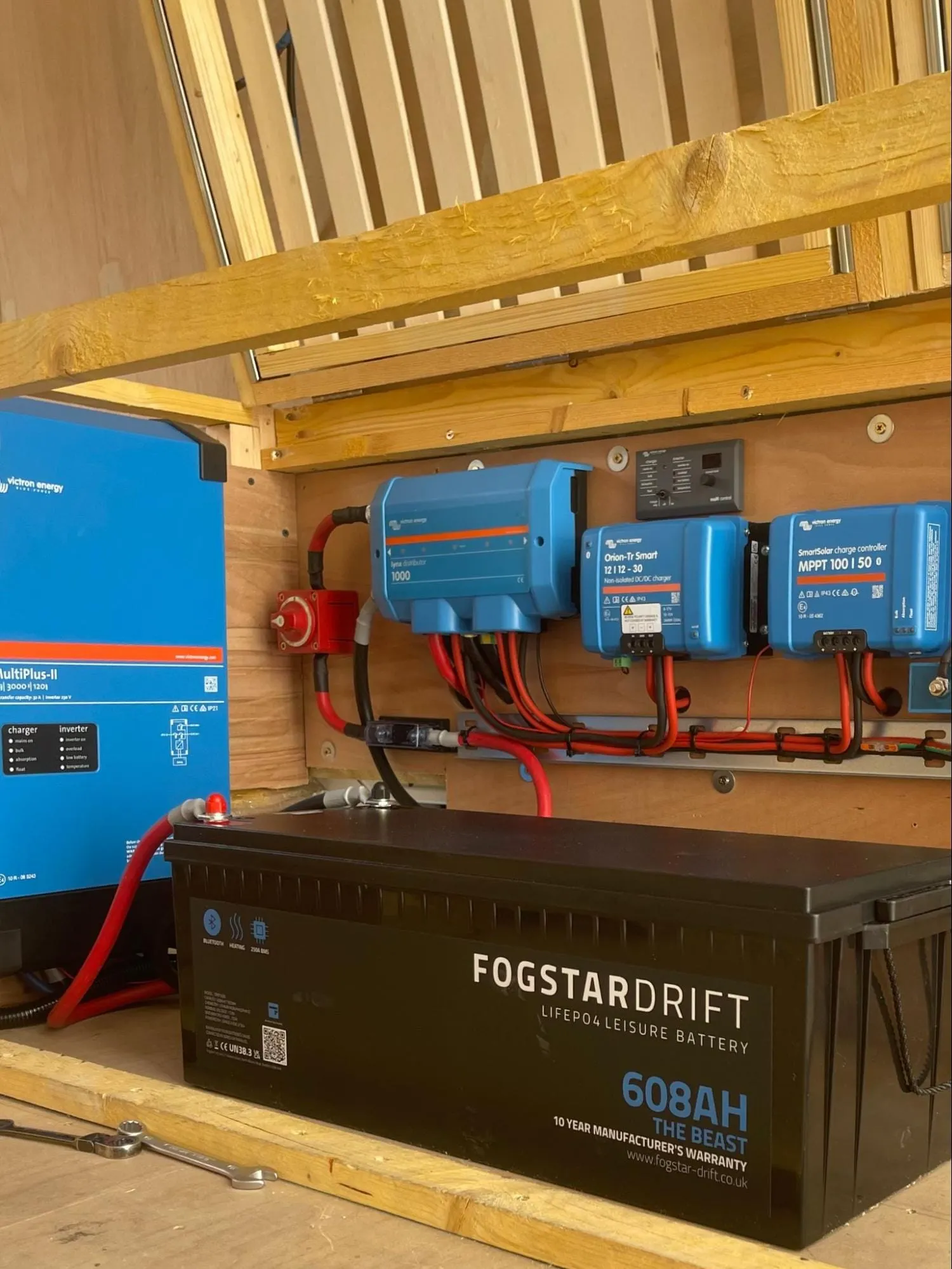
🚐 Use Case: Nigel & Sue - Retired, full-time travellers
🔋 Batteries:
- 200Ah Lithium Battery (upgraded from 100Ah AGM)
☀️ Charging:
- 400W solar with charge controller
- DC-DC charger
- Campsite hookup
🔌 Usage:
- Inverter
- 12V Appliances – compressor fridge, USB sockets, lights, water pump
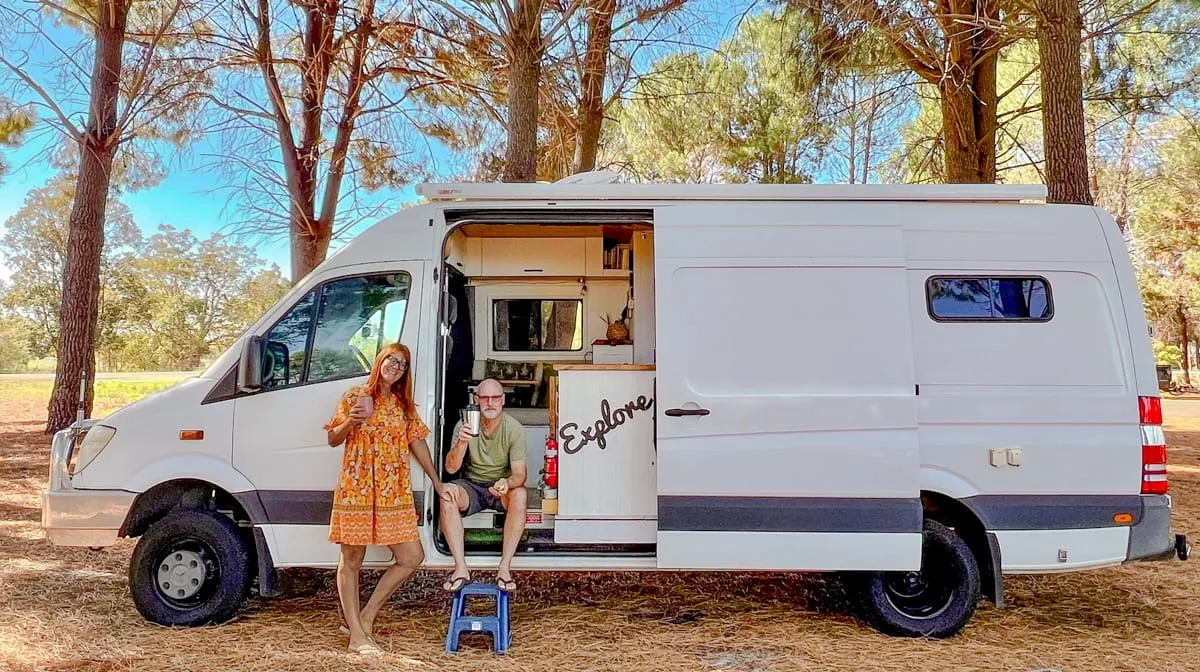
🚐 Use Case: Lance (Vanfest USA owner) Remote worker, full-time vanlifer
🔋 Batteries:
- 2 x 400Ah EG4 Server Rack Batteries (800Ah total)
- Upgraded from: 4 x 100Ah Battleborn Batteries (400Ah total)
☀️ Charging:
- 800W solar with charge controller
- DC-DC charger not specified
🔌 Usage:
- Inverter
- Various 12V appliances
🚐 Use Case: Anna & Alex - Musicians, seasonal workers, full-time vanlifers
🔋 Batteries:
- 200Ah Battery
☀️ Charging:
- 200W solar with charge controller
- DC-DC charger
- Campsite hookup
- Planning to supplement with external power bank for music gear
🔌 Usage:
- Inverter
- 12V Appliances – small system focused on essentials
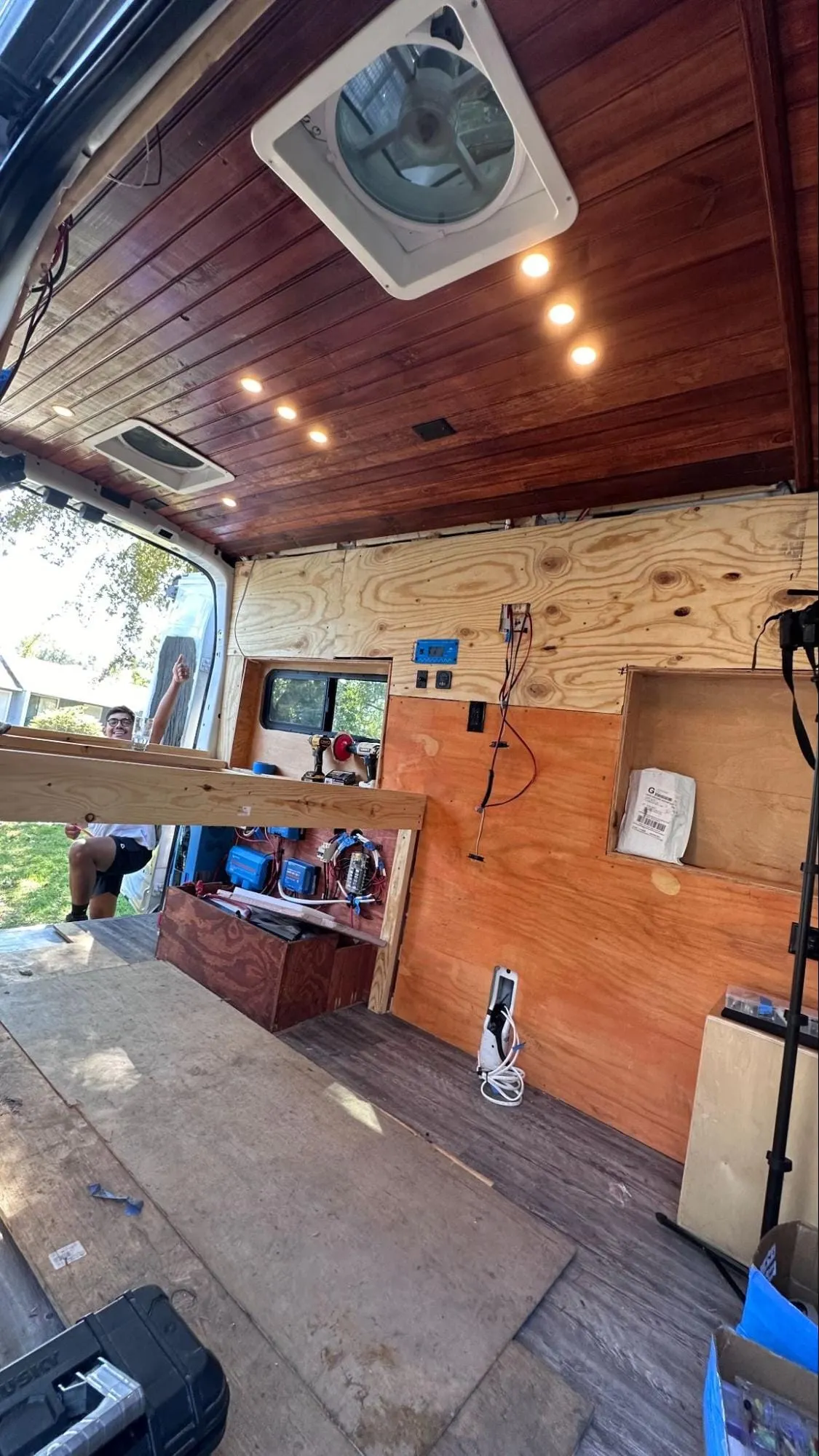
Ready to start your vanlife journey or upgrade your current electrical system?
We've simplified van electrics with our easy-to-use builder tool. Select the appliances you plan to use, such as battery, solar, and other electrical items, and get a fully customised electrical system designed for your needs.
Every Vunked electrical system ships with everything you need, including a detailed wiring diagram and instructions to put it all together. We also offer the best after-sales support in the industry.
"I can't recommend this company enough. From my very first email to well after my install was complete, these guys were magnificent. They designed my Victron System to my spec, and they are always on hand via email if I need help. What more could a customer ask for?" — Richard Ezzard via TrustPilot.