
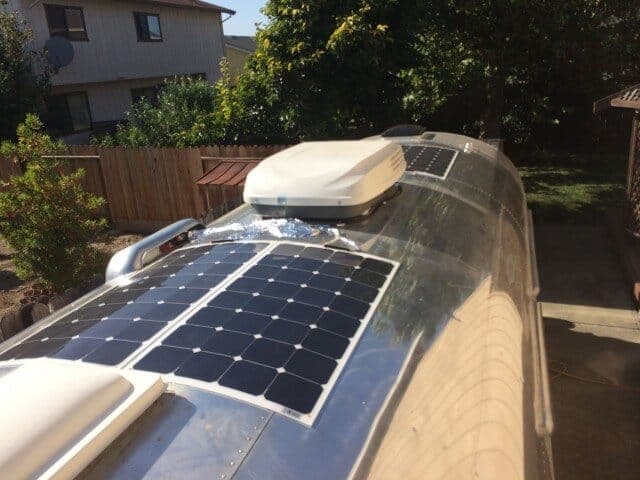
Lightweight, easy to install, and designed to fit curved surfaces, solar power flexible panels provide a practical solution for off-grid living. Whether you're looking to reduce your carbon footprint or want a reliable energy source while on the road, flexible solar panels offer an efficient and versatile way to power your adventures. This guide covers everything you need to know, from installation to maintenance, to help you make the best choice for your campervan setup.
What are Solar Power Flexible Panels?
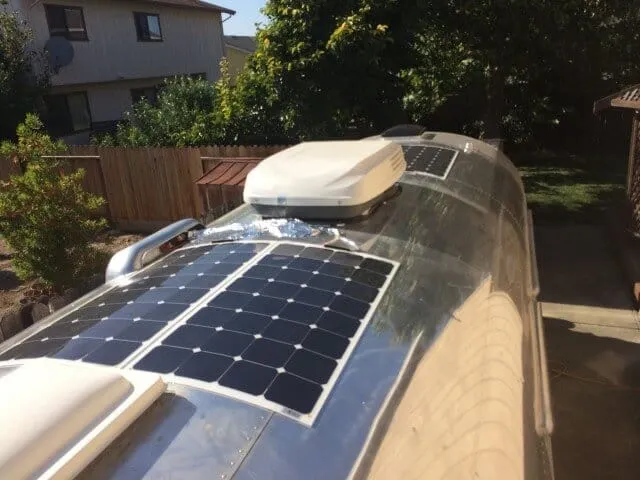
Flexible solar panels can bend and adapt to different surfaces. Made from thin layers of photovoltaic material, they're lightweight and more versatile than rigid panels. This flexibility makes them ideal for curved surfaces, such as the roofs of campervans and caravans.
Vanlifers use solar power flexible panels on campervans because they're easy to install and don't add much weight—perfect if you have a pop top and still want to open it ;). They're also durable, handling vibrations and impact better than traditional panels. These qualities make them a practical choice for mobile homes, where space, weight, and flexibility are crucial.
Pros and Cons of Solar Power Flexible Panels for Campervans and Mobile Homes
Pros
- Lightweight and easy to install: Flexible panels are light and won't add much weight to your campervan or caravan. They're simple to install, making them ideal for DIY enthusiasts.
- Adaptability to curved surfaces: These panels can bend to fit curved roofs and unusual surfaces, offering flexibility that rigid panels can't match.
- Aesthetic advantages: Flexible panels blend seamlessly with your vehicle, preserving its sleek appearance while providing solar power.
- Durability: Designed to handle impact, vibrations, and harsh weather, flexible panels are durable enough for rugged travel conditions.
Cons
- Lower efficiency: Flexible solar panels typically convert less sunlight into electricity than rigid panels, meaning you might need more panels to generate the same amount of power, which can be problematic if you have limited roof space.
- Shorter lifespan: They generally don't last as long as rigid panels. The materials used in flexible panels can degrade faster, about 5 to 10 years, vs. 25 to 30 years for rigid panels. In harsh weather conditions, you might need to replace them sooner.
- Limited power output: Flexible panels usually have a lower power output, which might not be enough for energy-intensive setups. If you have high power needs, like running multiple appliances, you might find flexible panels fall short.
- Susceptible to damage: While durable, flexible panels are more prone to physical damage than rigid ones. Sharp objects or heavy impact can cause cracks or punctures, reducing their effectiveness.
- Not ideal for all roofs: If your campervan or mobile home has a completely flat or unusually shaped roof, flexible panels might not be the best fit. In some cases, rigid panels could offer better coverage and efficiency.
Flexible Solar Panels Efficiency and Performance
How Efficient Are Solar Power Flexible Panels?
Flexible solar panels are generally less efficient than rigid panels because they convert a smaller percentage of sunlight into electricity. For most flexible panels, efficiency ranges between 10% and 15%, while rigid panels can reach 20% or more. This difference means you need more flexible panels to generate the same power as fewer rigid panels, which is crucial if you have limited campervan roof space.
Understanding Power Output
Flexible panels perform well in various lighting conditions, but their output can vary. They handle low light and partial shading better than you might expect, but overall, they produce less power than rigid panels.
Flexible solar panels work efficiently in strong sunlight, but if you frequently camp in cloudy areas, you might notice a dip in performance. Understanding this can help you plan for your energy needs, especially if you rely on solar power for essential appliances.
Factors Affecting Lifespan and Performance of Flexible Solar Panels
Flexible solar panels typically last 5 to 10 years, shorter than the 25 to 30 years you'd expect from rigid panels. Extreme temperatures, exposure to harsh weather, and installation can affect a solar panel's lifespan.
To maximise their life, ensure they're securely mounted, clean them regularly, and avoid exposure to unnecessary stress. Proper care can extend their performance and help you get the most out of your investment.
Common Misconceptions
There are a few myths about flexible solar panels that can be misleading. One common misconception is that they're fragile and easily damaged. While they're not as robust as rigid panels, flexible panels are durable enough for most campervan use.
Another myth is that flexible panels are too inefficient to be practical. Though less efficient, flexible panels still provide a viable power source for many applications, especially when weight and flexibility are more important than maximum efficiency.
How to Install Flexible Solar Panels
DIY installation for Flexible Solar Panels
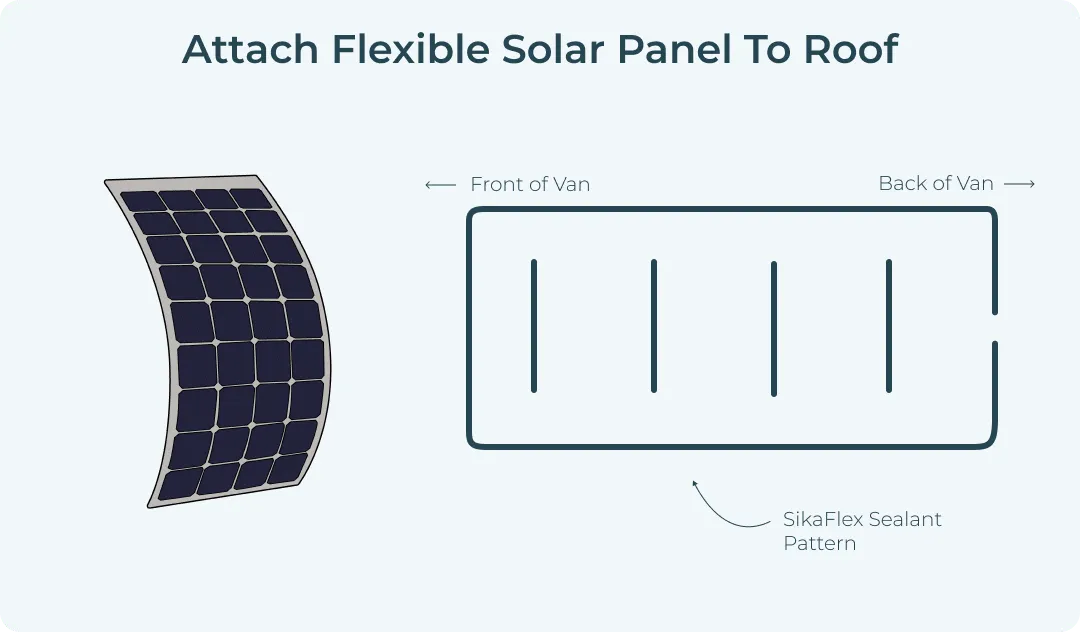
Installing flexible solar panels on a campervan or caravan is a straightforward process you can do yourself. Here's how:
- Clean the roof: Start by thoroughly cleaning the area where you'll install the panels. Use rubbing alcohol to remove any dirt and grease. This step ensures the adhesive bonds properly.
- Position the panels: Lay the panels on the roof to check their fit. Mark the outline with tape or a marker. Make sure the panels align with any ridges or grooves on the roof.
- Apply adhesive: Use Sikaflex 221 or a similar adhesive. Apply it evenly to the back of the panel, avoiding the edges to prevent overflow.
- Install the panels: Carefully position the panels on the roof, aligning them with your markings. Press down firmly to ensure a strong bond.
- Secure the edges: To help prevent water from getting underneath, you can seal the edges with more adhesive or a weatherproof sealant for extra security.
- Allow to cure: Let the adhesive cure thoroughly before driving. Follow the manufacturer's instructions for curing time.
Mounting Options for Flexible Solar Panels
When it comes to mounting flexible panels, you've got a couple of options:
- Adhesive mounting: This is the standard method for flexible panels. It's ideal for a permanent installation and creates a clean, low-profile look.
- Temporary mounting: If you want flexibility, use magnetic mounts or suction cups. These allow you to remove the panels easily but aren't as secure as adhesive mounting, which could lead to damage during travel if not installed correctly.
Connecting Flexible Solar Panels to a Campervan Electrical System
After mounting the panels, connect them to your campervan's electrical system. Here's a quick guide:
- Run the wires: Connect the solar panel wires to a charge controller. The charge controller regulates the voltage from the panels, protecting your batteries from overcharging.
- Install the solar gland: Drill a hole in your roof where you want the wires to enter the van. Fit the solar gland into the hole, then feed the solar cables from outside to inside through the gland. This step ensures a watertight seal and keeps your installation neat.
- Install the charge controller: Place the charge controller in a dry, accessible spot inside your van. Connect the wires from the panels, ensuring the positive and negative connections are correct.
- Connect to the battery: Run wires from the charge controller to your battery bank. Double-check the polarity before making the connections to avoid any issues.
- Test the system: Once everything is connected, test the system. Ensure the charge controller receives power and the batteries are charging.
This wiring method ensures that your flexible solar panels are securely installed and properly integrated with your campervan's power system, allowing you to enjoy off-grid energy confidently.
How to Maintain Flexible Solar Panels
Cleaning and Maintenance Tips
Flexible solar panels need regular cleaning to work their best. Dust, dirt, and debris can block sunlight and reduce efficiency. Clean your campervan solar panels every few weeks, especially after travelling through dusty or dirty environments. Use a soft cloth or sponge with warm water and a mild detergent. Avoid harsh chemicals or abrasive tools that can scratch the surface. Rinse thoroughly and dry with a soft towel to prevent water spots.
Preventing Damage and Maximising Lifespan
To keep your flexible solar panels in top shape:
- Avoid unnecessary stress.
- Ensure the panels are mounted securely, without any loose edges that could flap in the wind or vibrate while driving.
- Regularly check for signs of wear, such as cracks or peeling edges, especially after long trips. If you notice any damage, address it immediately to prevent it from worsening.
- Parking in shaded areas during peak sun hours when you don't need power can also reduce heat stress, which helps extend the panels' lifespan.
Troubleshooting Common Issues
Check the connections if your flexible solar panels aren't performing as expected. Loose wires or poor connections can disrupt power flow. Next, inspect the panels for dirt or debris blocking sunlight. If cleaning doesn't help, check the charge controller and batteries to ensure they function correctly. Sometimes, performance issues can be due to shading—ensure nothing is blocking the panels, even partially. If you still have problems, it might be time to consult a professional to diagnose the issue.
Best Flexible Solar Panels for Campervans
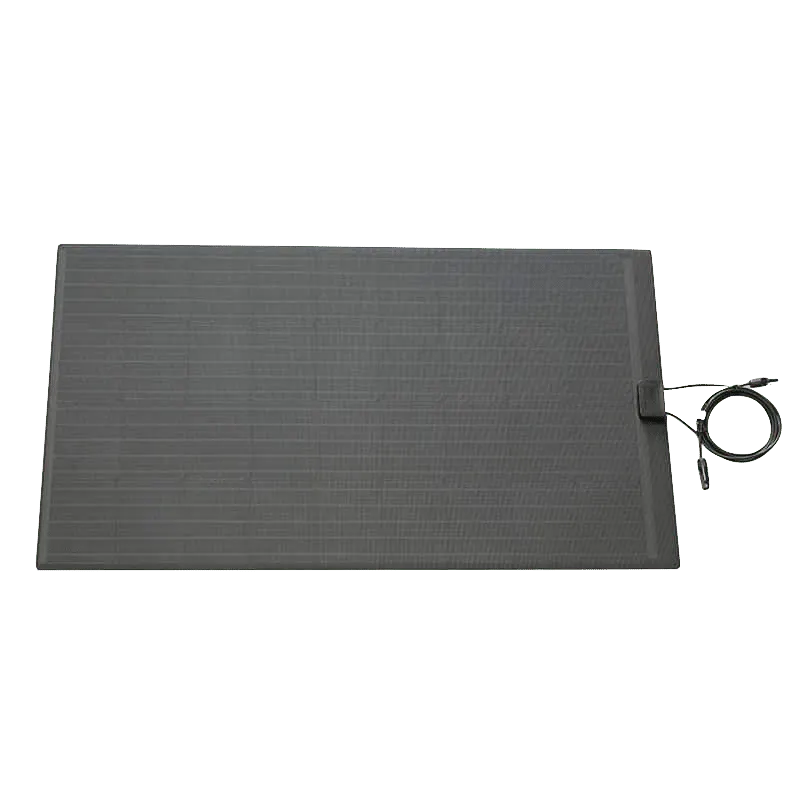
Choosing the right flexible solar panel for your campervan depends on your needs. Whether you're after maximum power, compact size, or a balance between the two, here's a breakdown to help you decide.
For Compact Spaces or Low Power Needs
- Best for: Small campervans, minimalist setups, or adding to existing solar systems.
- Price: £232.04
Perfect for campervans with limited roof space or lower energy needs. At 806 × 665 × 4 mm, it fits snugly on flat or slightly curved surfaces. The 80W Flexible Solar Panel is ideal for powering smaller devices or supplementing existing power systems without taking up too much space. It's lightweight, waterproof, and easy to install using an adhesive like SikaFlex.
For General Use and Versatile Applications
- Best for: Standard campervan setups, providing enough power for daily use without taking up much roof space.
- Price: £254.37
The 100W flexible solar panel offers a good balance between size and power. With dimensions of 1000 × 665 × 4 mm, it's suitable for most campervans and provides enough power for everyday needs. This lightweight panel works well on both flat and slightly curved roofs.
For Moderate Power Requirements
- Best for: Campervans that require more power for appliances or extended off-grid use.
- Price: £279.50
If you need more power but still want a flexible, easy-to-install panel, the 120W option is ideal. Measuring 1515 × 665 × 4 mm, it's great for medium to larger vehicles or those with higher power needs. This panel offers a balance of size, power output, and ease of installation, making it a popular choice for most campervans.
For High Power Demands
- Best for: Larger campervans or those with high energy demands, such as running multiple appliances.
- Price: £430.42
The 150W panel is the go-to for those who need maximum power. At 1515 × 665 × 4 mm, it's our largest flexible panel but will fit most campervan roofs. The 150W panel is perfect for powering more demanding appliances or providing a robust power source for long-term off-grid adventures.
How to Choose the Right Solar Panels
When choosing flexible solar panels for your campervan, consider the size of your roof, your power needs, and your budget. Installing multiple panels is a smart way to maximise your roof space, ensuring you capture as much solar energy as possible. It’s crucial to use panels of the same wattage when installing multiple panels. Mixing different wattages, like 150W with 80W, will cause all panels to operate at the lowest wattage, leading to a loss of potential power.
FAQs
How flexible are flexible solar panels?
Depending on the model, flexible solar panels can bend up to about 10-30 degrees. This flexibility makes them ideal for curved surfaces, like the roof of a campervan, but they're not designed to fold or bend repeatedly.
Why do flexible solar panels fail?
Flexible solar panels can fail due to prolonged exposure to extreme weather, physical damage from bending beyond their limit, or poor installation. Over time, the materials may degrade, especially if the panels are subjected to constant stress or insufficient maintenance.
How much do flexible solar panels cost?
Decent flexible solar panels typically range from a little over £200 to over £500, depending on the wattage and features. They're generally more expensive than rigid panels, but the added flexibility and ease of installation can justify the higher price.
Are flexible panels worth the investment?
Yes, flexible panels are worth the investment if you need a lightweight, easy-to-install solution for curved or irregular surfaces. They're particularly valuable for campervans and mobile homes where space and weight are critical.
How often do solar panels need to be serviced?
Flexible solar panels don't require much servicing. However, to ensure they work efficiently, it's a good idea to check them at least once a year for any signs of wear, loose connections, or damage.
How often do solar panels have to be cleaned?
You should clean your flexible solar panels every few weeks, especially if they're exposed to dust, dirt, or bird droppings. Regular cleaning helps maintain their efficiency by ensuring they can absorb as much sunlight as possible.