
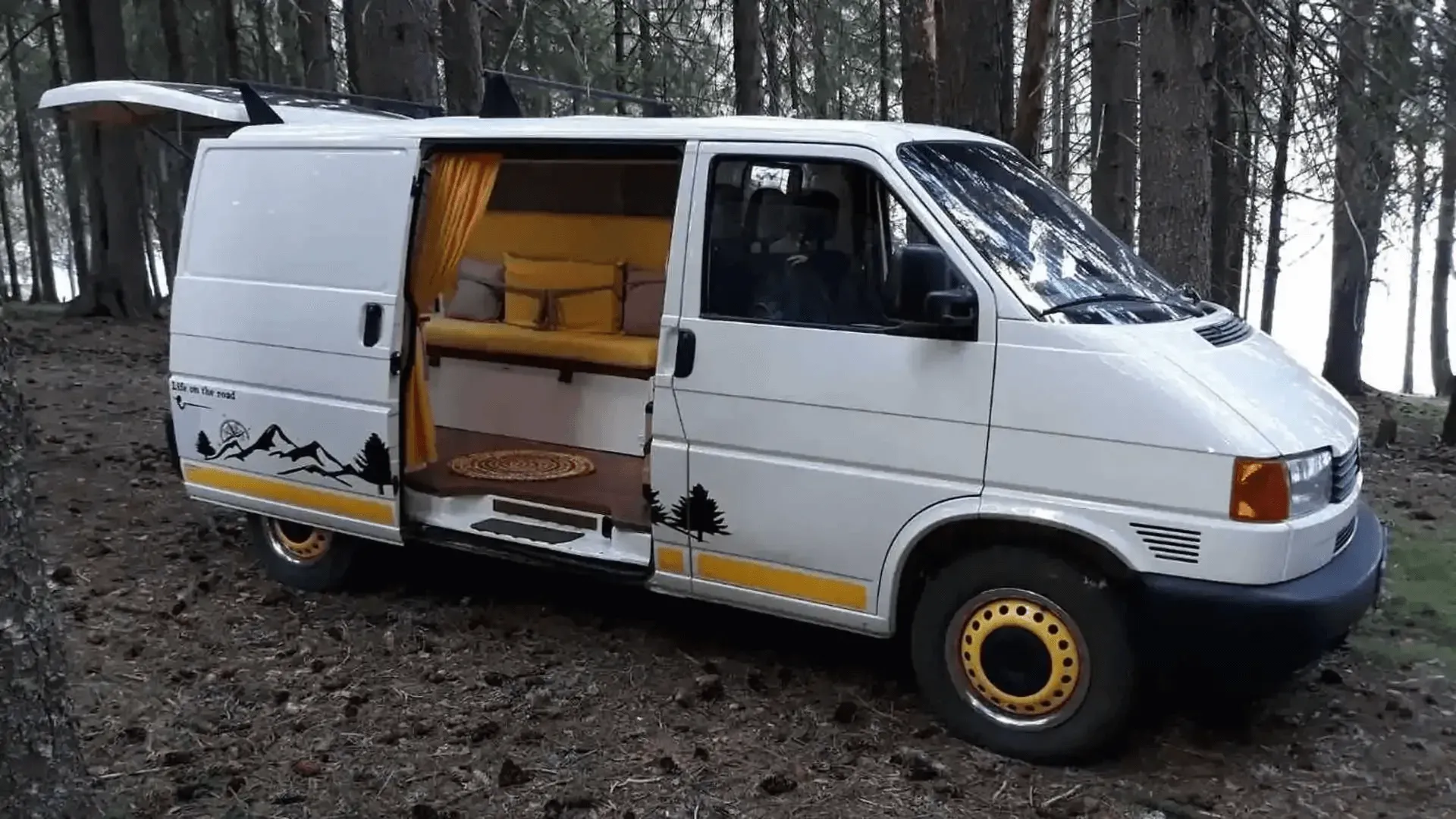
Van conversion costs in the UK vary a lot, but for most DIY campervan builds you're typically looking at around £5,000 to £10,000 for a budget conversion, £10,000 to £20,000 for a mid-range build, and £20,000 to £50,000 for a premium DIY setup — all before the price of the van itself.
If you're a UK-based first-time or intermediate van-life builder trying to budget properly, this guide breaks down the best vans for a camper conversion and what you can expect to pay for them new or used, along with the cost of each part of the build. We'll also compare DIY and professional conversions, cover hidden and ongoing costs, and share practical ways to save money so you can avoid budget surprises and make better decisions from the start.
Choosing the best van for a camper conversion
First things first, which van should you start with? There's a massive range of options on the market and people create amazing campers with everything from the humble Ford Transit to ex-military six-wheelers and vintage vee-dubs. If you want a deeper dive into specific models, layouts, and reliability, our detailed guide on how to choose the best van for a camper conversion walks through the main categories and trade-offs.
For this article, we'll focus on the most popular camper van bases as one of these tried and tested platforms will probably be the best fit for 99% of people planning a conversion.
Here are the main factors you'll need to consider
Size and layout
How much space do you need? The answer is probably down to what your use case is. If it's full-time van life you'll want a large van with space for a fixed bed and shower. Weekend warriors, however, can probably make do with smaller models.
Weight
Larger vans mean a larger living space, but don't forget about weight. For UK van conversions, a gross vehicle weight (GVW) of over 3.5 tonnes (3500kg) needs a C1 HGV licence (course and test are about £600-£900 for confident drivers). GVW includes the base weight of the vehicle plus all the stuff you'll be cramming inside.
You can still build a fully livable large camper with something like a Sprinter (2.1 tonne base weight) in well under 3.5 tonnes, but it is possible to go over if you aren't keeping it in mind.
Mileage and condition
Cheaper vans with higher mileage may cost less upfront, but they might need more repairs than a brand-new model. That said, don't be afraid of high-mileage vans. Due to their commercial use, they're designed to do more miles, and thousands of people buy 100,000-mile+ vans for a camper conversion without issue. Just look for a model that's been part of a well-looked-after fleet with a solid service history.
Fuel efficiency
Larger vans carrying more weight tend to be less fuel efficient, so factor this in when working out your ideal travel budget. This is also worth considering when looking at the age of the van you choose, as newer models will almost always be more efficient than older versions due to tightening regulations.
Cost & availability of parts
You'll generally find that the initial price of a van correlates with the cost of its parts. Premium options like a Mercedes Sprinter may be more expensive to repair due to the cost of spares, but consider that this may be balanced by increased reliability in the first place.
You should also consider the parts availability of a model for where you intend to travel to. If you're taking your van to a country where it wasn't domestically sold, it might be difficult to get parts if you break down. Look beforehand and see if there are any common issues you might need to carry spares for.
Best vans for a camper conversion
With all that out of the way, let's look at prices for some of the popular van models used for camper conversions in the UK, since the parts bill often tracks the vehicle price and affects both your base van choice and the overall cost to convert. This list is by no means exhaustive, but you'll find these models in hundreds of DIY camper conversions as well as professional turnkey builds.
Badge-sharing is also common in commercial vehicles, so we'll include (where applicable) alternatives that are the same van mechanically but have different manufacturer badges and aesthetics.
Mercedes-Benz Sprinter
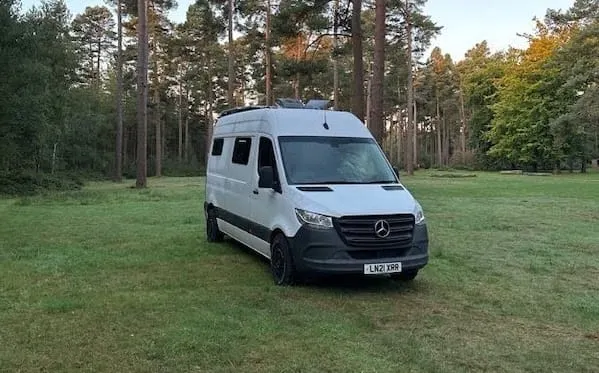
The premium large van option, Sprinters are one of the most popular models for camper builds thanks to their great build quality, loads of space, and high-end interiors. While they're more expensive initially, even base models come with plenty of standard features not found in other brands, and your model choice will shape the overall cost to convert.
Parts can be pricey, though this is somewhat offset by reliability, and their large size makes them slightly more difficult to navigate around urban areas.
Ultimately, a Mercedes Sprinter is one of the best vans for a camper conversion if you're going to be a full-time van-lifer and need features like fixed beds, full bathrooms, and proper kitchens to live and work from your camper.
Price (new): Around £50,000 excluding VAT for a base model.
Price (used): Current generation (2018-present) base models start at about £20,000-£30,000 depending on mileage and condition. High-spec models or ones with more features (like the 190hp version or an automatic) can be closer to £40,000.
Well-maintained previous generation (2006-2018) models range from £8,000-£18,000, with older or high-mileage examples priced lower.
Old Sprinters (pre-2010) can drop under £5,000, but they're typically high-mileage and basic models.
Same as: Pre-2024 Volkswagen Crafter.
Ford Transit
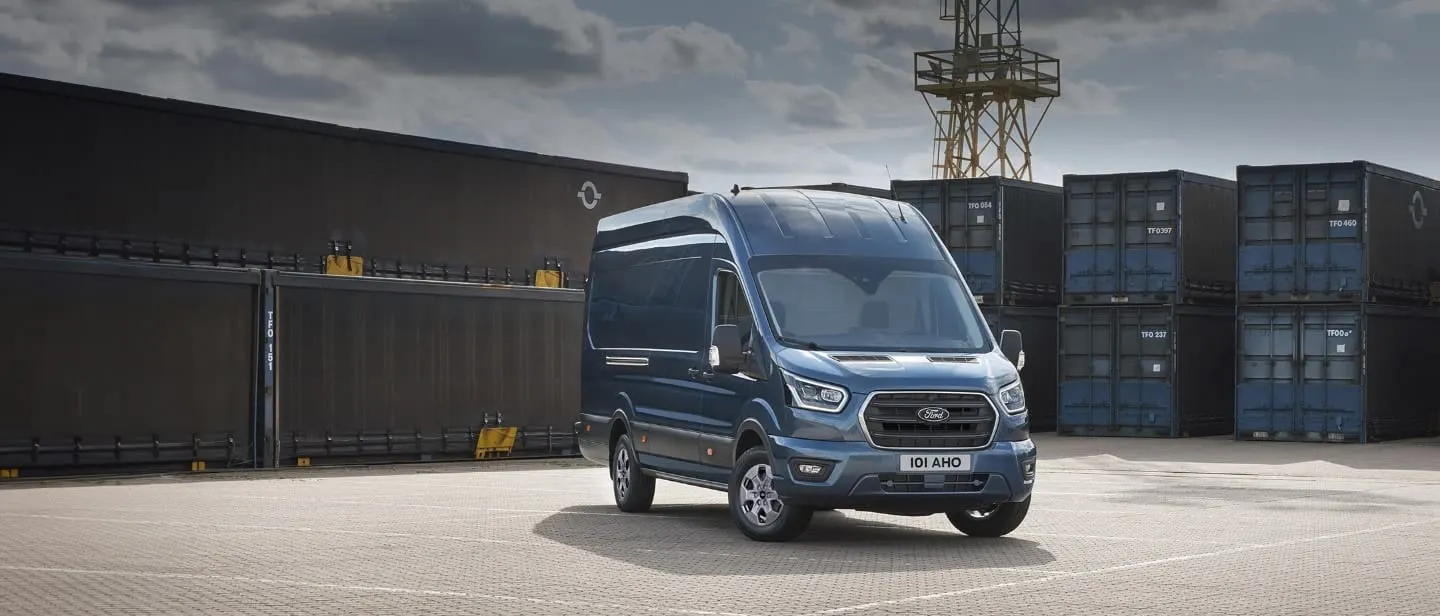
In production since 1965, the Transit is a popular choice for van life conversions. There are multiple engine sizes and wheelbase options, and comparable models are more affordable than a Sprinter. Parts are also readily available, and fuel efficiency on modern versions is good.
Older Transits might have had a hard life and need frequent repairs, and their unique shape means they tend to have slightly less interior space than other vans of the same size.
Overall they're a solid choice for budget-conscious travellers who need a decent amount of room.
Price (new): Base models start at roughly £32,000 excluding VAT.
Price (used): Current generation (2014-present) prices start at around £18,000-£28,000 for newer models. This depends on mileage and spec, with more advanced or low-mileage examples pushing closer to £30,000+.
Well-maintained previous generation (2006-2014) examples can be had for £6,000-£15,000, offering excellent value, with high-mileage models toward the lower end.
Early 2000s models with significant mileage can drop as low as £3,000-£5,000.
Volkswagen Transporter
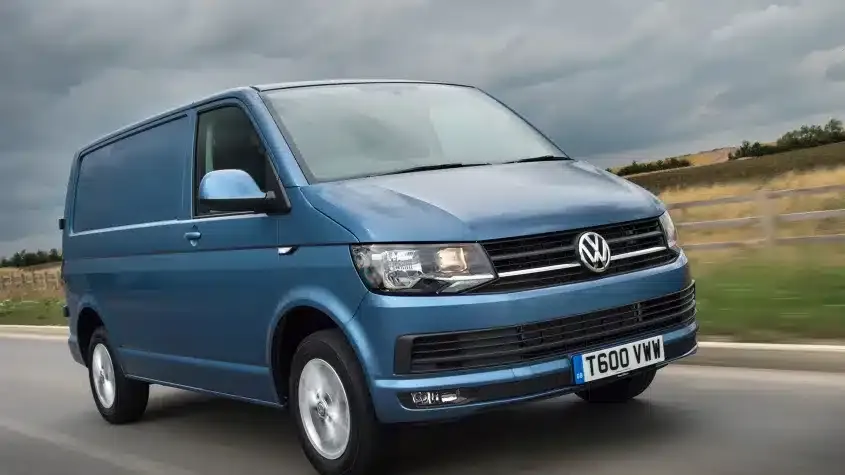
What list of camper van platforms would be complete without the iconic Volkswagen Transporter? Volkswagen uses these as the base of their pricey off-the-shelf ‘California' camper vans, but they're no less appropriate for DIY builds.
Transporters have some of the best looks in the business, they're reliable, compact, and very fuel-efficient for their size. Where they do stumble is their cost-to-size ratio, as larger vans from other manufacturers can be had cheaper.
Their compact dimensions also make them less-than-ideal for full-time living, but for a weekend trip a pop top helps reclaim headroom and sleeping space, and a roll bed suits the kind of flexible day-van layout many buyers want.
Price (new): Base models start at around £29,000 excluding VAT.
Price (used): Current generation (T6, 2015-present) prices generally range from £18,000-£30,000. Low-mileage models or top-spec trims can go for £32,000+.
Previous generation (T5, 2003-2015) prices vary from £7,000-£16,000, with older models from the early 2010s around the £10,000-£12,000 mark. The earliest T5s can be found for under £7,000, and a well-bought used Transit can still offer excellent value for a budget-conscious conversion.
Same as: Ford Transit Custom (For the newest Transporter 6.1, 2024-and-onwards model).
Fiat Ducato
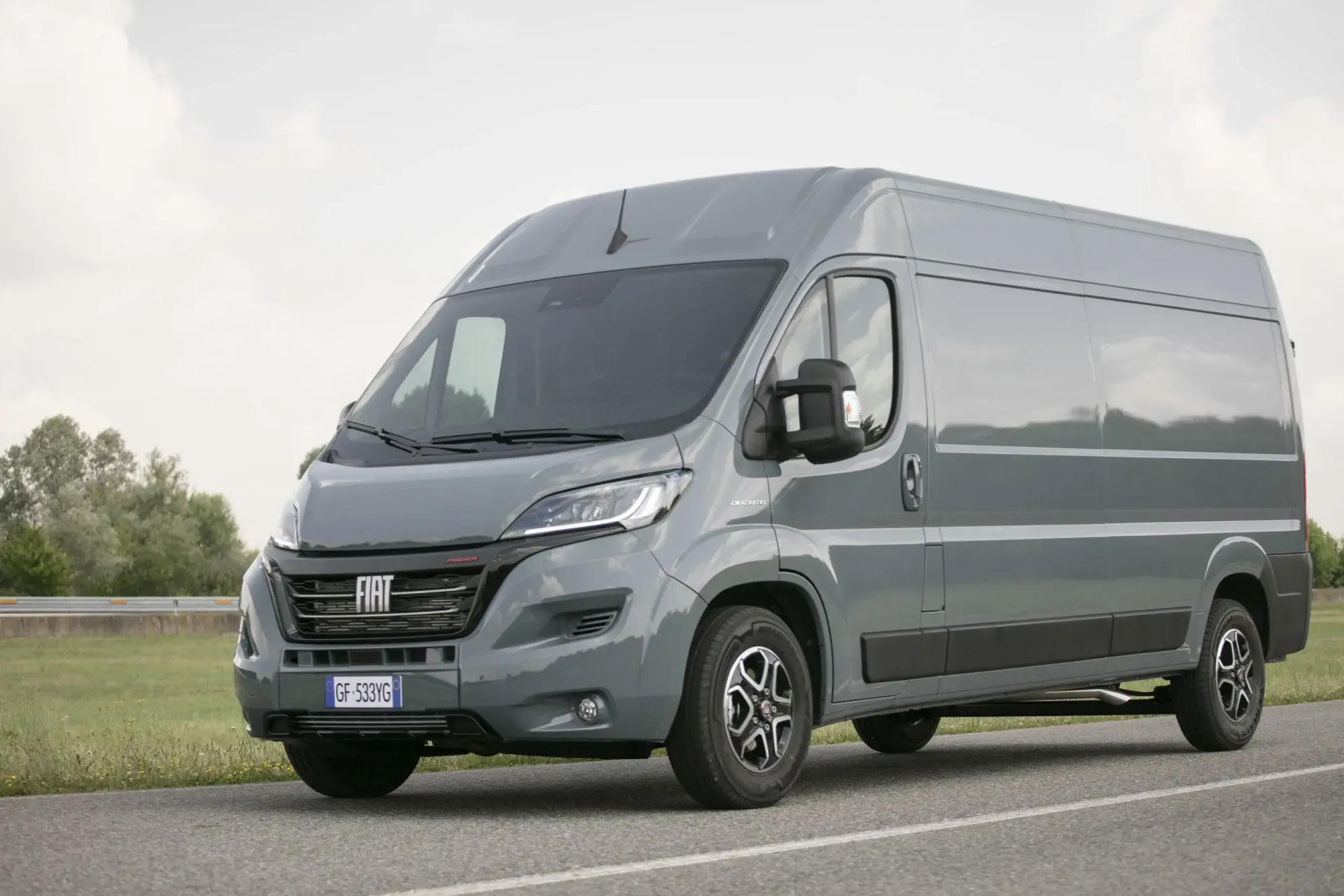
The Ducato and its derivatives are massively popular due to being as big as a Sprinter at a much lower cost. While they might not have all the bells and whistles, they're a great option due to their wide interior space and the fact that they're simple to convert.
Build quality doesn't quite match premium brands like VW and Mercedes, but most modern vehicles are generally solid, and the main area you'll feel the difference is in small areas like the thud of closing doors over actual reliability.
The Ducato family of vans is also extremely popular with professional van conversion companies, so you'll find plenty of off-the-shelf parts specific to them, along with camper van conversion packages for different layouts and budgets. Many builds also use a pop-top to add headroom and extra sleeping space. A roll bed is a common choice here because it preserves daytime floor space.
Overall, a great choice if you aren't taking a no-expense-spared approach and want to save money on the base vehicle to spend on better furniture/amenities/appliances etc.
Price (new): Base models come in at around £27,000 excluding VAT.
Price (used): Current generation (2014-present) models usually come in between £16,000 and £25,000 depending on spec and mileage.
Older previous generation (2006-2014) models are more like £5,000-£12,000, with well-maintained examples holding their price a bit better than other similarly aged vans.
Same as: Citroën Relay / Peugeot Boxer / Opel Movano / Vauxhall Movano / RAM ProMaster
DIY vs professional camper van conversion
Apart from vehicle choice, whether to do the conversion yourself or have a professional do it for you is probably the biggest decision you'll need to make in a camper van conversion.
Which is right for you will largely depend on how you want the finished converted van to be built, along with your time, budget, and skill level. Professional conversion companies also commonly build on the Ducato family because its size and strong parts support suit camper van conversion packages. We'll briefly cover the pros and cons of each before focusing on a breakdown of DIY conversion costs for each area of the build.
Professional camper van conversion
Whether you build the converted van yourself or pay a professional company, a professional campervan conversion from a reputable converter can give you stronger workmanship, safer installation, and more confidence in the finished result, especially when professionally installed kitchens and gas systems add complexity and are one reason labour-heavy professional builds cost more. There are plenty of companies out there solely focused on camper van conversions, and leveraging their services will massively reduce the amount of time taken to complete the project.
However, this is intrinsically a more expensive approach compared to a well-thought-out DIY build since you're paying for labour costs, the features included, and the level of finish. You'll also have less control over the materials used, though a high quality conversion may retain or even increase resale value compared with a regular van because the key features are usually installed with proper standards in mind.
There's also the matter of satisfaction. Building a camper van yourself is one of the most rewarding aspects of van life, and it's an amazing way to learn practical skills that will last a lifetime.
Conversions usually start at around £25,000 for an off-the-shelf solution, while bespoke layouts and luxury builds can exceed £50,000 depending on specifications.
DIY camper van conversion
A professional build offers the benefits of experienced workmanship and compliance, while DIY is the preferred route for many van lifers because it gives full control over every detail of the build and can be more cost effective.
Professionally converted vans often justify their price through the features included and the quality of those features, especially with bespoke layouts.
You'll need to use hands-on skills and learn basic carpentry, plumbing, and electrics, but don't let this put you off. Learning these skills is easier than ever with the vast amount of resources available online, and it can become a rewarding project. You'll find threads, how-to guides, and videos of pretty much every aspect of a build, although many owners still get professional help for complex electrics or plumbing.
Home-built campervans often take roughly 200 to 600 hours of labour, so the real cost is measured in time as well as money.
The most basic DIY conversions can come in at under £5,000, while many basic setups land around £2,000 to £6,000. The average DIY conversion will cost you between £5,000 and £15,000, depending on the level of finish and materials you go for. Professional conversions can range from £15,000 to over £40,000, and bespoke luxury builds can go well beyond that, and you'll find plenty of real-world examples of these budgets in our vanlife and campervan conversion blog.
DIY camper van conversion costs
Here's our approximate campervan conversion price list to help you estimate the total cost of a DIY conversion by adding up each part of the build. We'll split this up into each area of the build and list every essential item to make things easy.
1. Tools
If you don't own any tools at all, this will be one of your first big expenses. Basic hand tools are essential, and you'll probably need to buy some power tools for tasks like cutting metal and wood or drilling.
Things you'll need include:
- Power tools: Cordless drill, jigsaw, circular saw, angle grinder, and multi-tool. (£200 - £500)
- Measuring & hand tools: Spirit level, tape measure, clamps, and a square. (£50 - £150)
- Electrical tools: Wire strippers, crimpers, multimeter, soldering iron. (£30 - £100)
- Miscellaneous: Safety gear (goggles, gloves), sanders, hammers, screwdrivers. (£50 - £150)
Borrow what you can, and remember there's no need to go crazy and buy expensive brands for what you can't.
You can also look at eBay or Facebook Marketplace for second-hand tools. Just ensure they're from genuine sellers as power tools are commonly stolen from work vans and resold.
Total estimated cost: £300 - £1,000
2. Structural work
Structural modifications include things like ventilation and windows, fitting proper insulation for better temperature control, and framing interior walls or partitions. Costs include:
Windows and skylights: £200 - £1,500 depending on the size and opening mechanism.
Ventilation: £100 - £300 for a roof vent or powered fan.
Soundproofing: £100 - £300 for sound-deadening mats.
Insulation: You'll need insulation to be fully insulated and comfortable in both summer and winter. The three main types of insulation are:
- Foam board insulation. Lightweight and efficient. (£100 - £400)
- Spray foam insulation. Better coverage but is more expensive. (£200 - £600)
- Wool insulation. Eco-friendly, good for reducing moisture build-up. (£150 - £400)
A full DIY insulation setup typically costs about £200 to £800, with many campervan insulation jobs landing around £250 to £800 depending on materials.
Professional insulation can exceed £1,500 if you outsource the work.
Total estimated cost: £500 - £2,000
3. Electrical systems
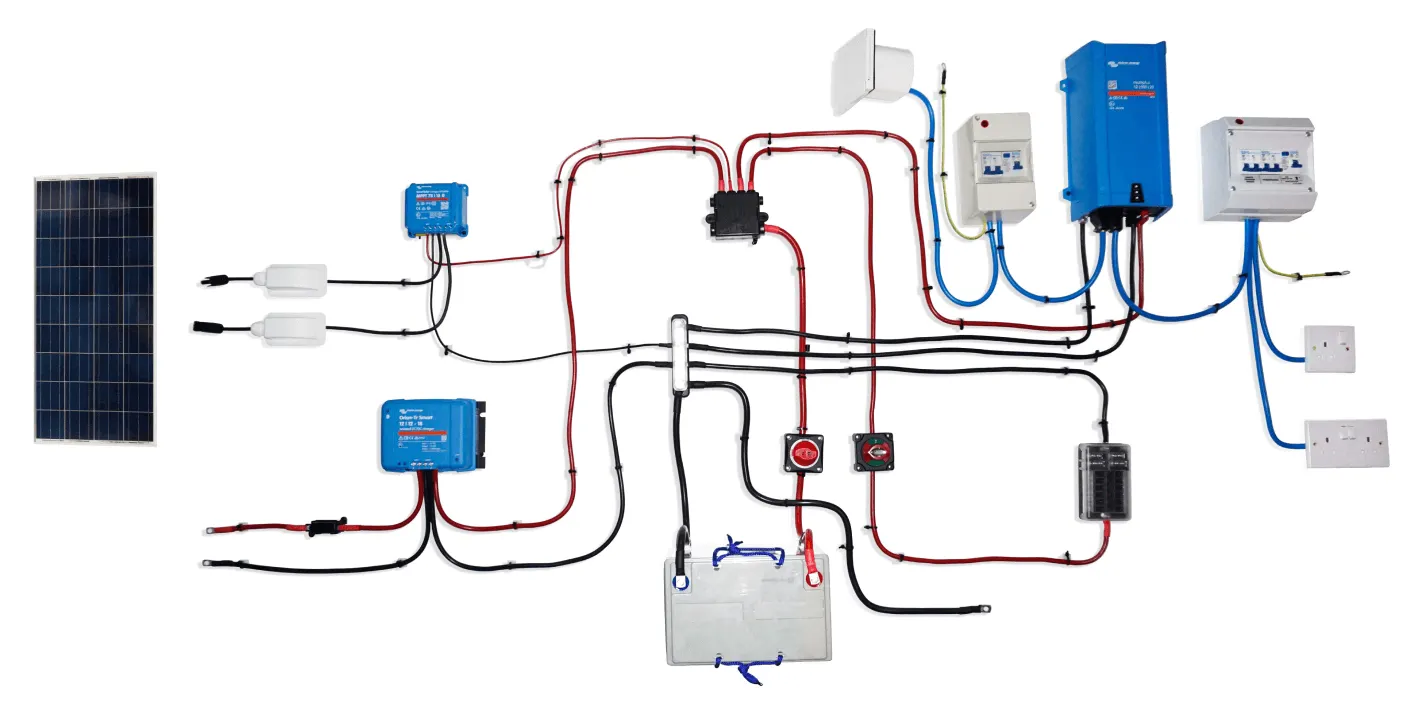
A reliable electrical system can be as simple as powering a few lights and USB charging for occasional use, or much more capable for longer off-grid travel, and you can simplify the whole process by using a campervan electrical system kit that's pre-designed around your power needs.
Most systems run on 12V and can be powered by leisure batteries, which can be AGM or lithium. Lithium (or LiFePO4) is the most expensive but it also lasts the longest and has the deepest discharge.
Household appliances, meanwhile, require an inverter as they're 240V.
You'll also need to consider charging options, with the main methods being battery-to-battery charging (charges while you drive), solar (charges using the sun), and shore power (plugged in at a campsite).
Typical costs include, and if you'd rather work from a pre-designed package there are complete Victron campervan electrical kits that bundle many of these components together:
- Wiring: £100 - £300 including fuse boxes, cables, switches, and connectors.
- Leisure batteries: £200 - £1,000 per battery.
- Solar panels: £200 - £1,500.
- Inverter: £150 - £1000.
Piecing together all the bits and pieces for this is one of the most challenging areas of a build, especially if you aren't an expert in electrics, so following a structured DIY campervan electrics checklist can really help you plan things properly.
This is where Vunked comes in. We supply pre-built electrical systems using our handy online kit-builder. Simply let us know what you'll need to power, and we can send a complete set-up in kit form ready to install, backed up by clear campervan 12V wiring diagrams so you can see exactly how everything connects.
If you aren't sure and need a hand on which electrical parts you need, book a free campervan electrics consultation. We'll guide you towards the right parts and make sure you aren't overspending on things you don't need.
https://www.youtube.com/watch?v=XsxaW_KYgHs
You'll have peace of mind knowing your electrical system is up to professional safety standards, and we even send detailed fitting instructions and wiring diagrams to make installation a breeze, especially if you opt for one of our Victron campervan electrical systems that bundle proven components together.
A full electrical system can range from £1,000 to £3,000 depending on battery size, charging methods, and appliances, and our breakdown of campervan electrical system costs shows how those numbers change for different lifestyles and usage patterns.
Total estimated cost: £500 - £3,000
4. Plumbing
You'll need a functioning water system if you plan to live in your camper, and even a simple setup usually includes tanks, a pump, a tap, and often a sink. This plumbing will involve both clean and ‘grey' water systems.
Most vans have two tanks for each of these systems, along with piping, pumps, taps, showers, and toilets, while more premium builds may also include hot water.
Costs are:
- Water tanks: £50 - £500 for both tanks.
- Water pump: £50 - £150.
- Shower: £300 - £1,500 depending on setup.
- Toilet: £100 - £500, though a porta potti or a cassette toilet can keep costs lower.
Basic plumbing systems can be installed for under £400 if you skip complex bathroom features.
Total estimated cost: £200 - £2,000
5. Gas & heating
Heating and the ability to cook are essential for a properly comfortable time in your van, and they also make it more practical for year-round use. Stoves and water heaters are normally gas-powered, as are interior heating systems. In the UK, diesel heaters are a common upgrade for year round use, while solar can help if you'll be in areas with guaranteed high levels of sunlight.
Typical costs are:
- Propane/Butane gas: £100 - £500 for a basic gas setup.
- Gas heater: £200 - £1,000 depending on size and complexity.
- Diesel heater: £400 - £1,500, depending on the heater brand.
- Water heater: £200 - £800 for a gas water heater, electric models similar, and this is the upgrade that gives you hot water for showers or washing up.
Total estimated cost: £300 - £2,500
6. Woodwork and carpentry
This covers your van's living area and defines the layout, storage, and overall sleeping space. In premium layouts, cabinetry, furniture, and other luxury van conversion components alone can exceed £20,000. A well-planned layout can help create the perfect campervan, and a flexible seating area can also improve day-to-day comfort. Custom layouts and bespoke cabinetry can improve usability, but they usually raise joinery costs. Essentially, it's the internal ‘structure' that makes up the layout of the van, as this will be made mainly from wood. Costs include:
- Plywood sheets: £30 - £100 per sheet depending on thickness.
- Framing timber: £50 - £200 depending on van size.
- Furniture: DIY materials £200 - £1,000, or pre-made units £500 to £2,000.
- Flooring: £100 - £500 depending on material choice, with vinyl flooring a common durable option for camper conversions.
Total estimated cost: £500 - £2,500
7. Appliances
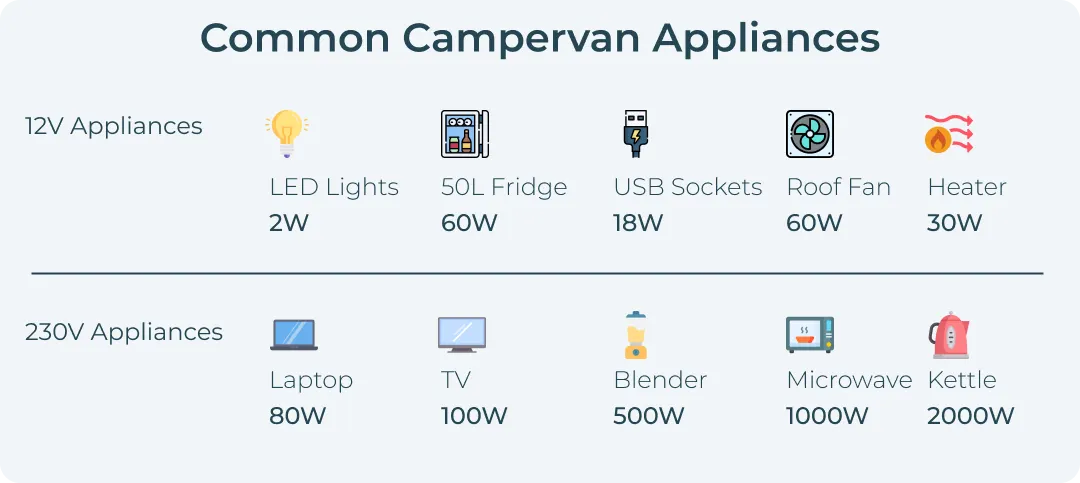
How luxurious the time in your van is going to be largely depends on the appliances you choose, and appliance choices are one of the clearest things that separate a mid range conversion from a more luxurious build. Some people stick with a basic fridge and propane stovetop, while others want to bake in the mountains or enjoy the convenience of a microwave.
General appliance costs are:
- 12V fridge: £300 - £1,000 depending on size and brand.
- Basic stove: £50 - £300 for a basic camping stove.
- Built-in stove with oven: up to £1,000.
- Microwave: £50 - £200, requires an inverter.
- 12V lighting: £50 - £200 depending on the number and type of lights.
Total estimated cost: £500 - £2,000
8. Miscellaneous
These are all the little things that add up if you don't pay attention and factor them in. Miscellaneous costs include:
- Curtains/blinds: £300 depending on materials and customization.
- Security system: £100 - £500.
- Fire safety: £50 - £200.
- Storage solutions: £50 - £150.
Total estimated cost: £250 - £1,150
Van conversion hidden costs
Aside from the aforementioned obvious expenses, a camper van conversion can also come with some less expected costs that are worth factoring in. Here's a breakdown of some hidden costs you might encounter during or after the build.
Maintenance and repairs.
Regular maintenance is essential to keep your van running in good order, especially for older vans. You'll need to factor in brake pads, oil changes, and general upkeep.
If you're already learning hands-on skills to do the conversion yourself, it's a great time to learn some basic mechanics.
Tasks like oil changes and brake pads aren't overly complex with the right tools, just make sure any home mechanics are done competently to avoid safety issues or expensive repairs.
In general, the older a vehicle is the easier it will be to work on, so factor this in when choosing a van if you plan on doing your own mechanics.
We also recommend having a thorough independent inspection done on older models to avoid any unforeseen mechanical costs outside of regular maintenance and wear items. Major issues like underlying engine or gearbox problems could cost up to £5000 down the line if not spotted.
Cost: £200 - £1,000 annually depending on van and mileage.
Insurance
Camper van insurance tends to be more expensive than normal car insurance because of all the extra equipment in the conversion. Search online and you'll find some companies also offer specialist policies for self-converted vans.
Cost: £500 - £1,500 annually.
Permits & certifications
Some regions require specific certification for the van's electrical or gas systems. There are also rules on how much gross vehicle weight (GVW) you can drive with a standard license, and if you want the converted vehicle recorded as a motor caravan, you'll also need to meet the relevant registration requirements, so aim for below 3.5 tonnes to avoid needing to do a course.
Certain structural changes to vans might also need safety inspections depending on the nature of the base vehicle and how extensive the changes are.
Cost: £100 - £500 for inspections, certifications, and permits.
Total hidden costs: £1,500 - £6,000 (varies massively depending on van and location, and the exact requirements can depend on the original body type of the base van)
Typical van build costs at different price ranges
Here's an overview of the average price for different levels of camper van conversions. These don't include the base vehicle price but do factor in having all the essentials needed for a comfortable experience as listed above.
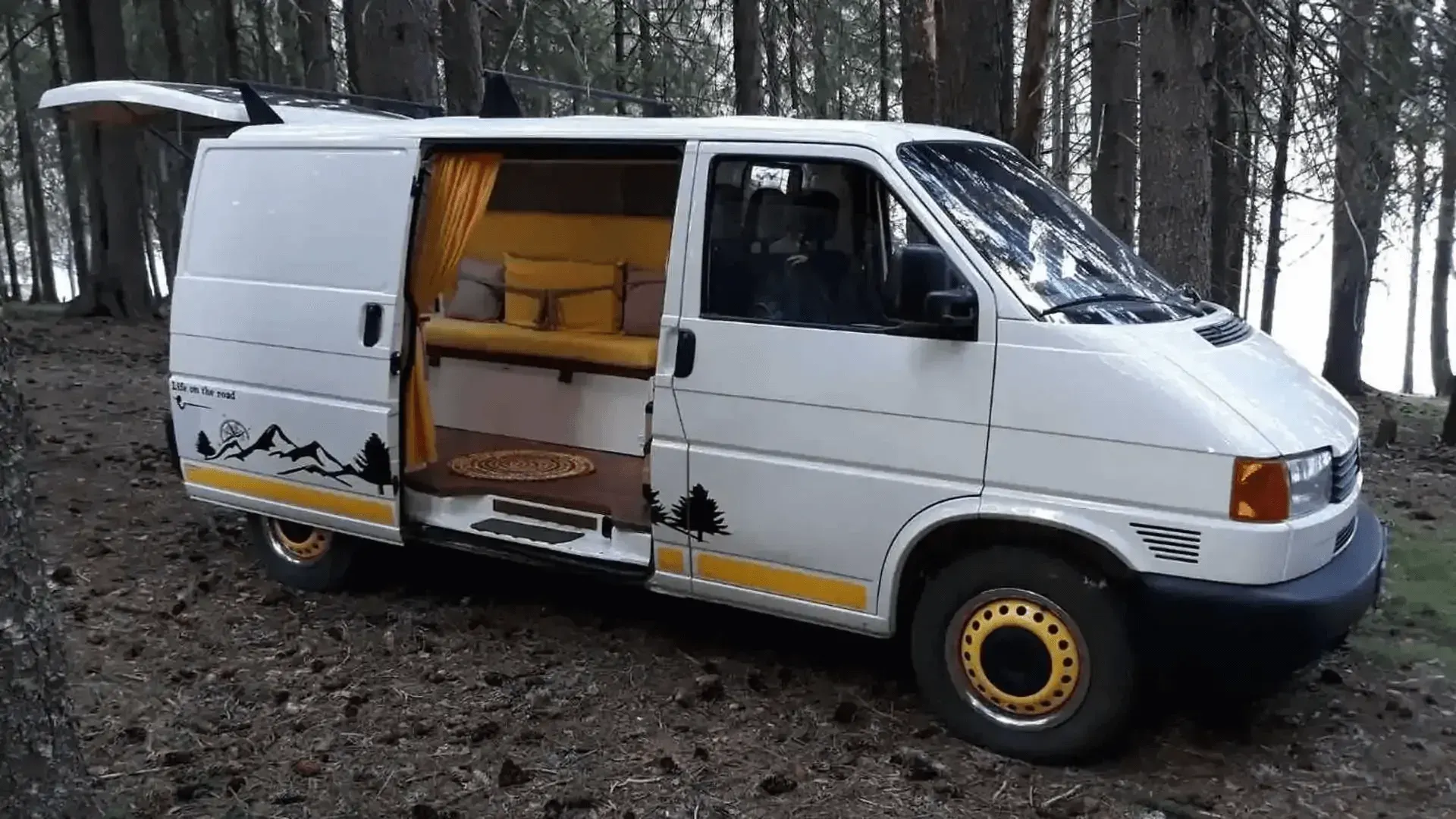
Budget DIY van conversion cost
Cost: £5,000 - £10,000
For this price, you can self-build a simple set-up with basic insulation, decent second-hand appliances, essential electrics, and simple DIY carpentry for a basic setup aimed at weekends and short trips.
It can also work well for road trips if you do not need lots of built-in amenities.
Mid-range DIY van conversion cost
Cost: £10,000 - £20,000
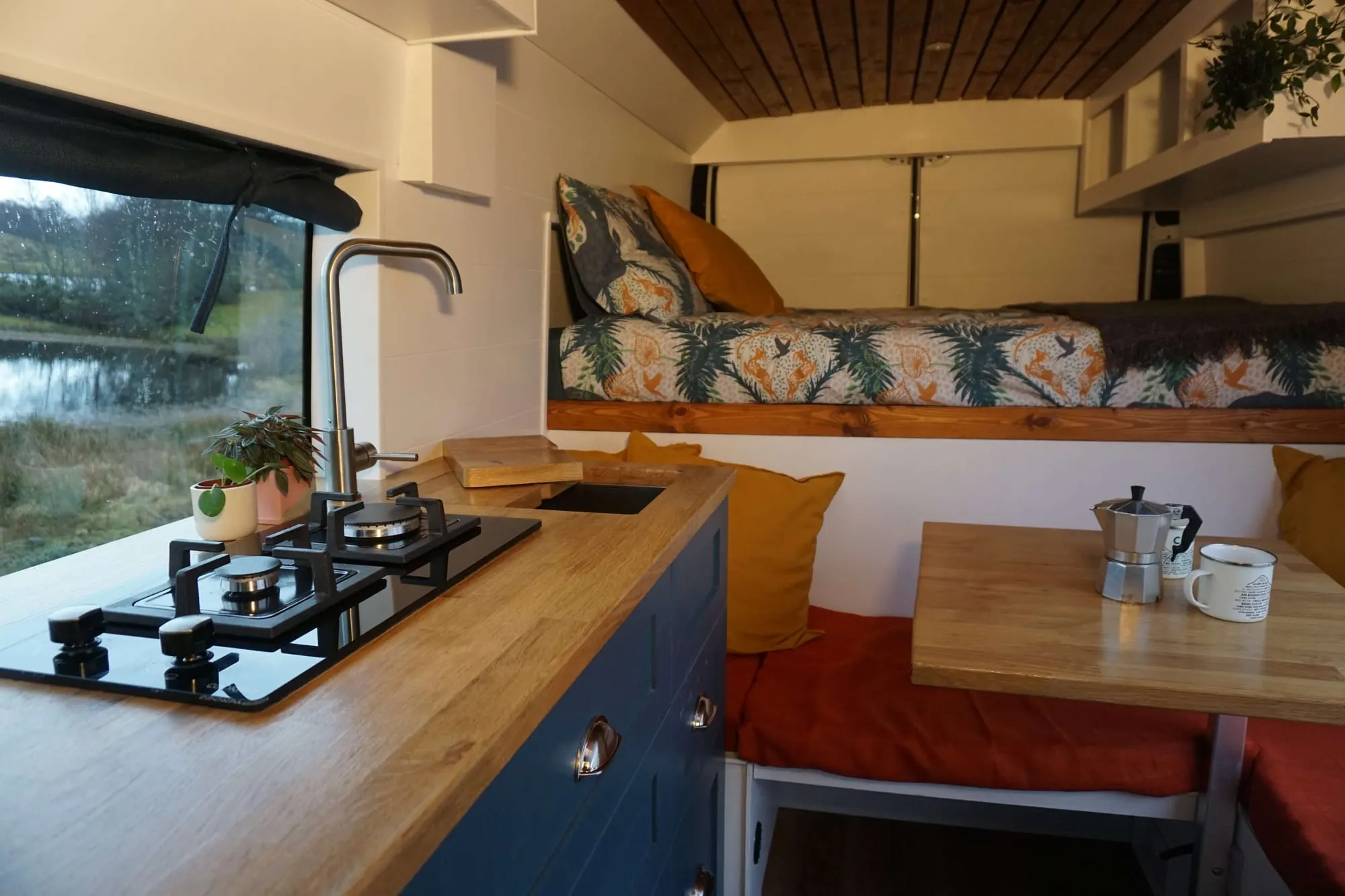
In this price range, you'll be looking at good insulation, upper-mid-range appliances, solar panels, air conditioning, and strong water and electrical systems. You can also integrate custom-built furniture.
This sort of build will unlock more potential for longer trips in greater comfort and is the minimum if you're planning on living in your van for any length of time.
Premium DIY van conversion cost
Cost: £20,000 - £50,000
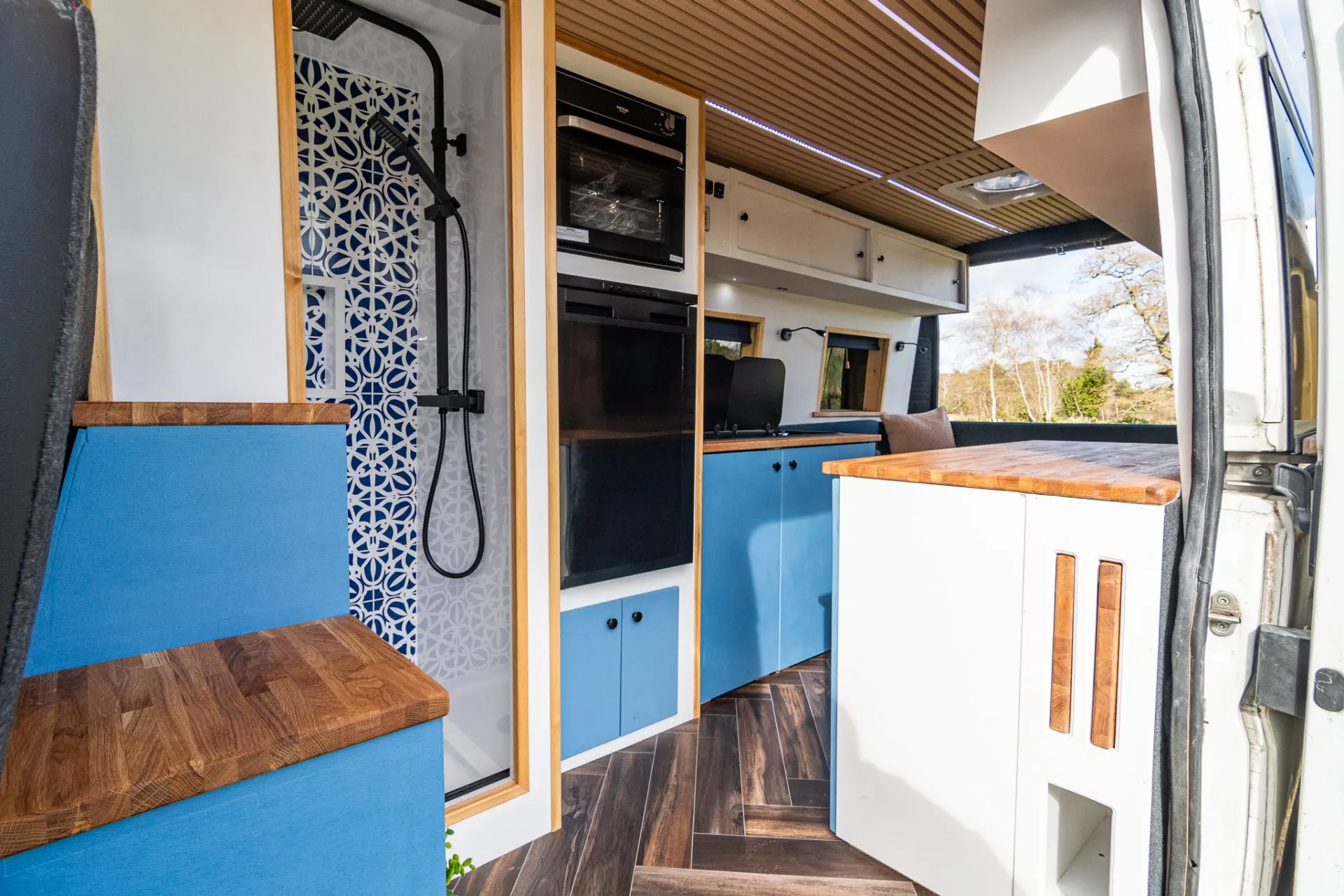
Once we get into this price range, costs rise sharply because of optional extras, higher-end finishes, advanced solar and electrical setups, and premium insulation. You'll also be able to have bespoke furniture and luxury finishes throughout. Premium DIY builds in this bracket often aim to mirror the key features of a professional build without paying full labour costs.
These builds are ideal for full-time van lifers who need home levels of comfort to travel, live, and work from their van.
Tips for saving money on your build
Read on for some final tips…
- Buy second-hand appliances. Look for gently used appliances from people who have upgraded to bigger vans or those with built-in appliances. eBay, online forums, and social media groups are all great for this.
- Go for simpler designs. Sticking with a simple layout will reduce the difficulty of the carpentry involved and cut down materials costs.
- DIY where you can. Even if you hire a professional to do a complex job like plumbing, gas, or electrical work, doing simpler tasks like insulation and painting yourself will save a significant amount of money.
- Repurpose materials. Look for salvaged or reclaimed wood and metal to reduce material costs while adding unique character to your build. Check new-build construction sites, recycling centres, and even commercial suppliers for off-cuts of top-quality materials at a fraction of the price.
- Shop around for deals. Keep an eye out on online forums, local classifieds, and second-hand shops for cheap conversion supplies. With so many components to a build, saving a bit on appliances, tools, and materials adds up fast.
- Plan ahead to avoid redos. Making mistakes can force you to redo work or buy extra materials, so start planning early. Meticulously plan your layout and look at other people's builds for a good idea of what works and what doesn't.
- Use multi-function furniture. Save on both space and money by designing furniture pieces that serve multiple purposes. Look into clever space-saving features of premium builds and see if you can make a budget version. Look at features like beds that convert to seating areas, or storage benches that double up as workspaces.
Getting control of your costs
Nothing beats the satisfaction of saying ‘I built that'. Converting a van into a camper is a massively rewarding process, but it does need careful planning and resourcefulness to stay within budget; even a professional build can cost roughly £15,000 to over £40,000, yet still be a more cost-effective route than buying a new motorhome.
If you want to avoid the stress of calculating electrical expenses across seven different websites, check out Vunked. Our simple online tool allows you to build a custom van electrics kit in minutes. We even send you detailed wiring diagrams and installation instructions. Get started here for a flexible alternative to a motorhome with more control over features and budget.