
Let's set the scene...
You're planning your tiny home conversion, umming and ahing about what campervan inverter size you need. We get it, it can feel overwhelming to understand what's right for you and the last thing you want is to run out of power.
The good news is, we're here to help with this handy one stop guide to choose the right size of inverter to keep your bread toasting and microwave turning, all day long. Keep reading.
In this blog, we will look at:
- Factors that influence your campervan inverter size
- How to calculate your overall appliances usage
- Introducing you to our handy Inverter Size Calculator
- Background information on inverters
- What is a watt? (Sounds daft but it's very important to understand)
If you would like to skip the reading, you can go straight to our Inverter Size Calculator.
What Size of Inverter Do I Need?
Inverter size is directly related to which 230V appliances you want to use off grid in your campervan, and the same approach helps when you size solar inverter choices in a wider electrical setup. You can size your inverter right now by following 3 steps:
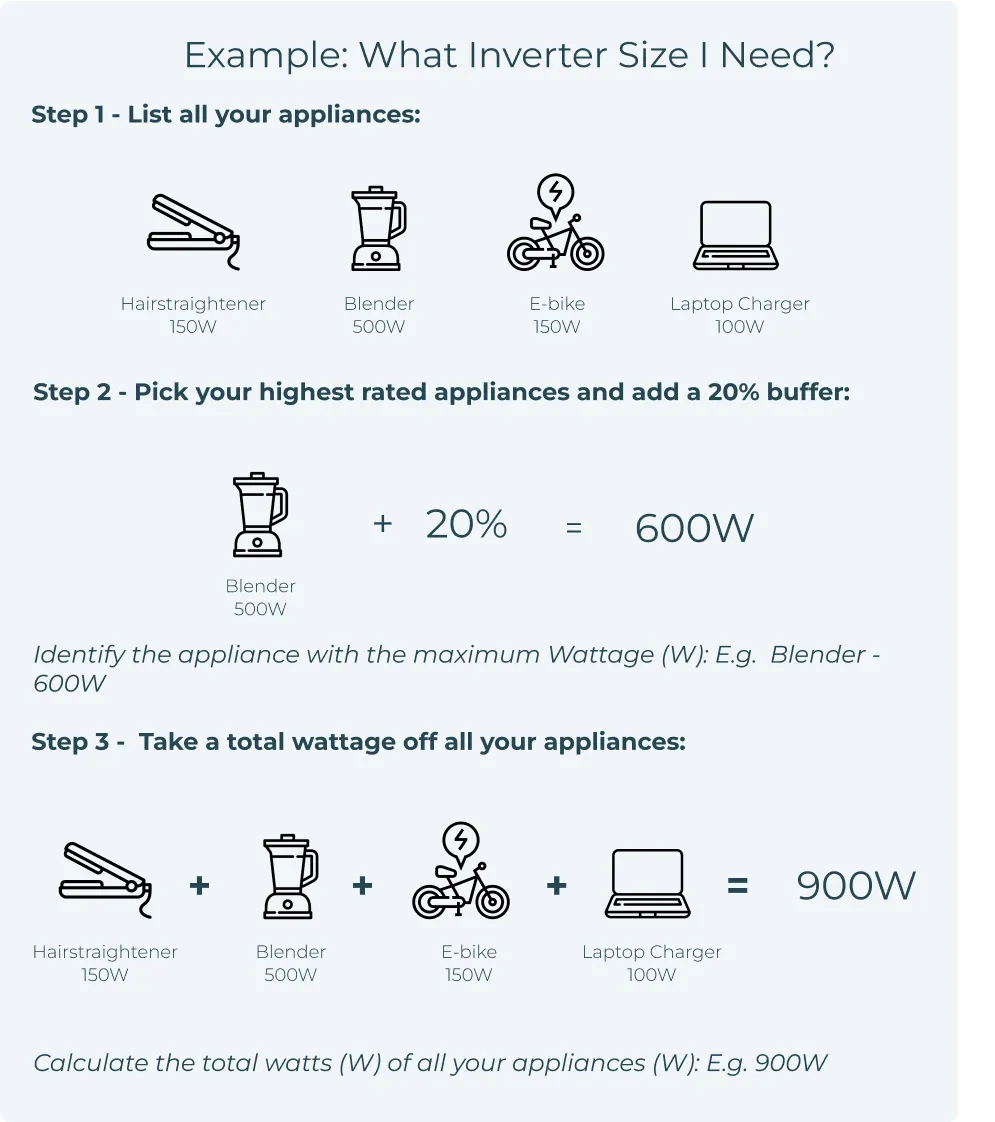
Step 1 - Create a list of all the 230V appliances you want to use with your campervan electrical system. Next to each appliance, write down the watts (W) rating of that appliance.
Step 2 - Find out the wattage of the highest rated appliance that you plan to use and add a 20% buffer. Motorized appliances can have surge watts higher than their running watts, so include that start-up demand when you size inverter requirements. Write down this value.
Step 3 - Take the total wattage of all your 230V appliances and make sure the inverter can cover the total load of anything you expect to run at the same time. Write down this value.
QUICK TIP - The Watts (W) rating of most appliances can be found on a sticker on the appliance, charger/power cable or product website page. See a list of common appliances and their wattage below.
What next?
Once all the steps have been completed, you will have two values.
Value 1: Based upon your highest rated appliance
Value 2: Based upon the total wattage of all your appliances
These two values will inform you on what inverter size you need for your campervan, giving you two options.
Now, lets run through an example…
Example: What Size of Inverter Do I Need?
To calculate the minimum inverter size you need for your campervan, follow our example below or alternatively use our Campervan Inverter Size Calculator. The right choice depends on how much power you want available at once and whether you truly need 230V power in your setup, which we explore further in our guide on when you need 230V power in a campervan.
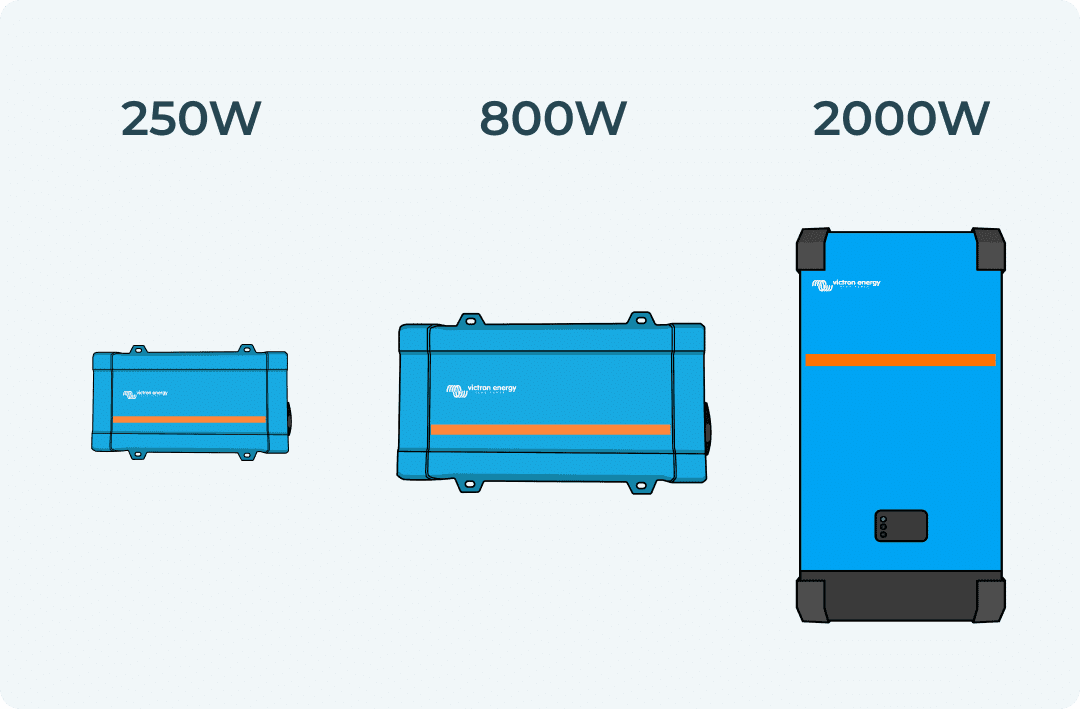
Common sizes for inverters range from 150W to over 10,000W. The larger units are used for households, we mainly advise people to use medium inverters (1000W - 3000W) which are ideal for RVs and campervans, or large inverters (3000W - 5000W+) that can support multiple high-draw appliances.
In this example we will be looking to use the following 230V appliances off-grid:
- Hair straighteners - 150W
- Laptop charger - 100W
- Blender - 500W
- E-bike - 600W
Your Options
Following this example will give you two powers (W) to size your campervan inverter. Which one you pick depends on how you wish to use your appliances:
Inverter size 1 - Size your inverter using the highest rated appliance if you only need to use one 230V appliance at a time. Shown in step 2.
Inverter size 2 - Size your inverter using the total wattage of your appliances if you want to have unrestricted access to your 230V appliances. Shown in step 3.
We build our kits using Victron components, including more advanced options like the Victron Multiplus inverter/charger range. The Victron Energy Inverter specifications can be found on their website.
Top Tip
Important note: Victron Energy names their inverters using the power supplied under ideal conditions (VA). In reality, the real power output is slightly less than the name, partly due to inverter efficiency, so for efficient use you should avoid planning to run it at its maximum capacity, especially as operating temperature rises. For example, the 800VA Victron Inverter will provide 650W at 25℃.
Using One Appliance Vs Using All Your 230V Appliances at a Time
Using One Appliance at a Time
We recommend sizing your inverter using the highest rated appliances, plus adding a 20% buffer, but if your energy usage means you only run one appliance at a time, a smaller unit can still deliver enough energy for the appliance you are running, including start-up demand, which helps keep costs down and get as much time off grid as you can.
Being mindful of your electricity usage should improve the lifespan of your inverter, inverters typically come with a 10 to 12-year warranty and 34% of inverters usually fail by year 15. Performance and lifespan of the inverter depends on its usage, maintenance and the quality of the inverter itself. At Vunked, we only stock Victron as we believe that they are the best on the market.
Advantages:
- Keep costs to a minimum by using a smaller inverter
- By using fewer appliances that you regularly run, your energy consumption will be lower, giving you longer off grid
- Undersized inverters waste energy and wear out faster, so getting the right size will help your inverter to last longer and improve your system efficiency
Disadvantages:
- You will have to keep an eye on what 230V appliances you run - if you try to draw more power than your system can handle, or choose the wrong inverter, you will likely blow a fuse and run into other performance issues
Using All Your Appliances at Once
We recommend sizing your inverter using the total wattage of all your appliances if you are happy spending a bit more money and want to have unrestricted use of your 230V appliances, as this helps you choose the right inverter and leaves headroom for future expansion if you may later want to run more appliances together.
Advantages:
- Able to use all your 230V appliances at once, as long as your system is correctly sized and planned using a thorough DIY campervan electrical checklist
Disadvantages:
- Your larger Inverter will be more expensive
- Your system will draw more power so will require a larger battery or charging capabilities to stay off grid
- As your system is drawing more power you will need thicker cables to handle this which can increase the cost slightly, and safe installation becomes even more important, as outlined in our guide on wiring a campervan inverter step by step
Calculator: Campervan Inverter Size

Our campervan inverter size calculator is built into the free system builder: choose the 230V appliances you want to use in your campervan and it works out the inverter size you need straight away, along with how much power your appliances will draw. Open the campervan electrics builder to run your numbers — it sizes the inverter, battery and charging together and shows a live price for the full system.
Every Vunked inverter system comes with all the wires, consumer units, fuses, lugs and heat-shrink you need to install it in your campervan. If you’re ready to fit one yourself, our tutorial on how to install a Victron inverter walks through the full process.
Learning Zone: Inverters
What is a Solar Inverter?
An inverter is a device that transforms direct current (DC) voltage into alternating current (AC) voltage, whether from batteries in a campervan or the dc output of a solar array, doing the same core job in a campervan as a solar inverter does in a wider solar power or solar PV system, where solar inverter sizes matter; in that wider solar PV system, a hybrid inverter can manage solar panels, a solar battery and grid power in one unit. Campervan leisure batteries store energy as a DC voltage, either 12, 24V or sometimes 48V. In a solar panel system, the electricity generated by solar panels would also pass through an inverter before use, with string inverters being the most common type of solar inverter, and most inverters in solar homes are sized to match expected household demand and panel output; panels in the same string are linked, so shading or a fault on one can reduce the output of the others. Here, though, the focus is on battery-fed campervan setups rather than a full solar PV installation. In optimised setups, power optimisers use maximum power point tracking to improve panel output before sending DC to a central inverter. Microinverters can isolate faults to individual panels, which can improve performance if one panel underperforms. Some microinverters also come with warranties of up to 25 years. If you want to dive deeper into the technology, our guide on how a campervan inverter works explains different types, waveform quality and sizing in more detail. Your appliances that have a UK 3 pin plug (most of them) require 230V AC voltage to run - we call these 230V appliances. It plays a crucial role as an essential part of the electrical system by turning battery electricity into usable mains-style power. An inverter lets you power larger appliances on your adventure. If you want to take a laptop charger, hair straighteners or even a kettle for a cup of tea on those crisp mornings - you will want an inverter.
In home setups, this same conversion helps turn solar energy into usable AC power, and good system design makes better use of solar generation across the day.
What is a watt (W)?
The watt (W) is a universal measurement for power - more specifically it is energy per unit of time. For those of you that remember physics at school, 1 watt is the equivalent of one joule of energy per second.
All electrical appliances will have a wattage rating. This is an important factor to consider when planning your van build, because some items also have a higher peak power demand for short start-up bursts than their normal rated wattage. By thinking about what appliances you want to use in your van, we can help you build an introductory campervan electrical system that is suited for your style of adventure.
Build your own Campervan ELectrical system
Build: Inverter and Battery Storage Systems
Worried about wire and fuse sizes? Want your Campervan Electrical System to be designed by an expert? Look no durther. All our Inverter Systems come with all the wires, fuses, consumer units, lugs and heatshrink you need to install in your campervan, with cables, fuses and inverter choices sized correctly and the key factors handled for you by an expert. For inspiration, you can explore the best campervan electrical systems for every type of trip and see how different setups match different lifestyles. If your van also has a solar installation, inverter choice should be considered at the design stage alongside batteries, the battery system, and charging components; for example, in broader solar systems for uk homes, a 3.68 kW inverter is common for smaller households, while larger homes with batteries may need around 5 kW, rather than a typical campervan setup, and more panels can increase available charging input so the wider system should be planned as a whole, especially when looking at complete Victron campervan electrical systems. Even with the inverter sized correctly, battery capacity and the wider battery bank still need to match your loads and expected runtime. One of the key reasons to use an expert is safe design, compliance and future-proofing when a van build also includes a more complex solar installation. If a fixed-property system is being connected to the grid, the distribution network operator may also need to approve the connection. A well-built system should need only minimal maintenance beyond routine checks, and routine inspections can extend inverter lifespan.
If you already have all the extras, you can buy a Victron Energy Phoenix Inverter own its own.
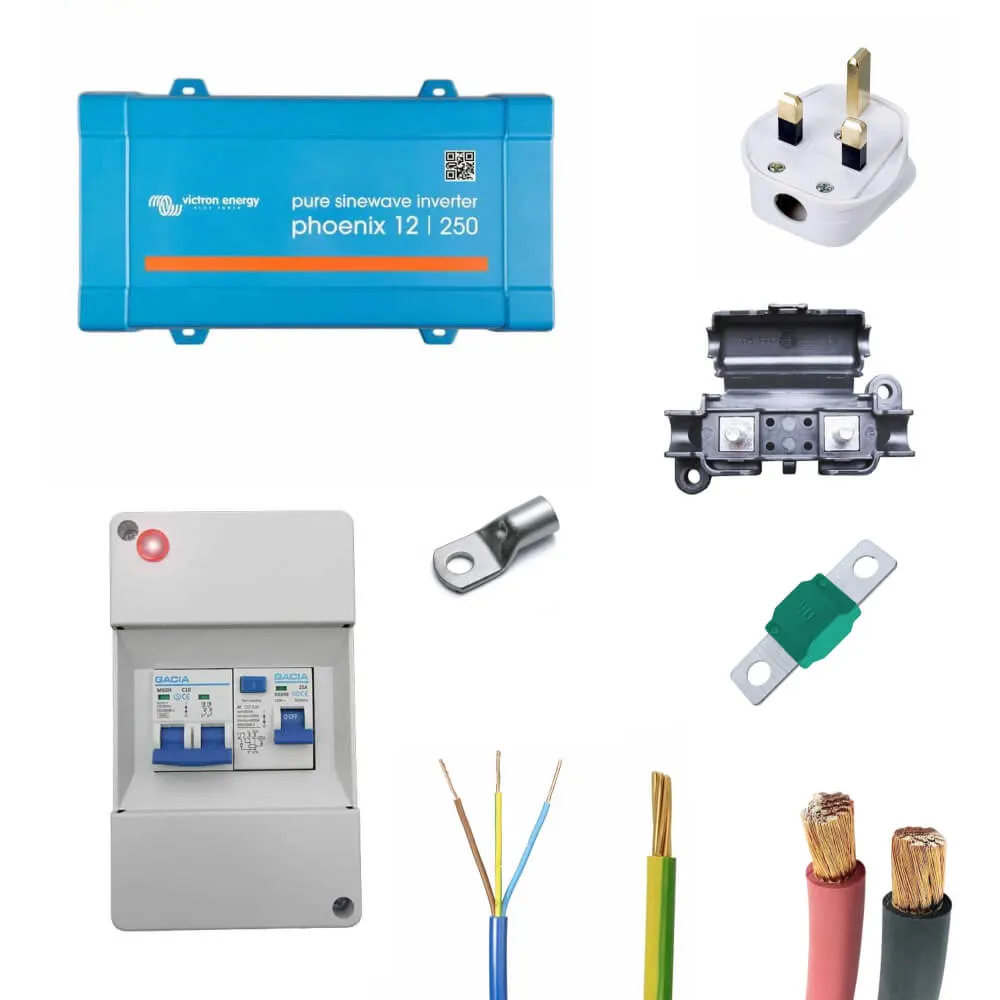
250VA Victron Phoenix Inverter System
£209.99
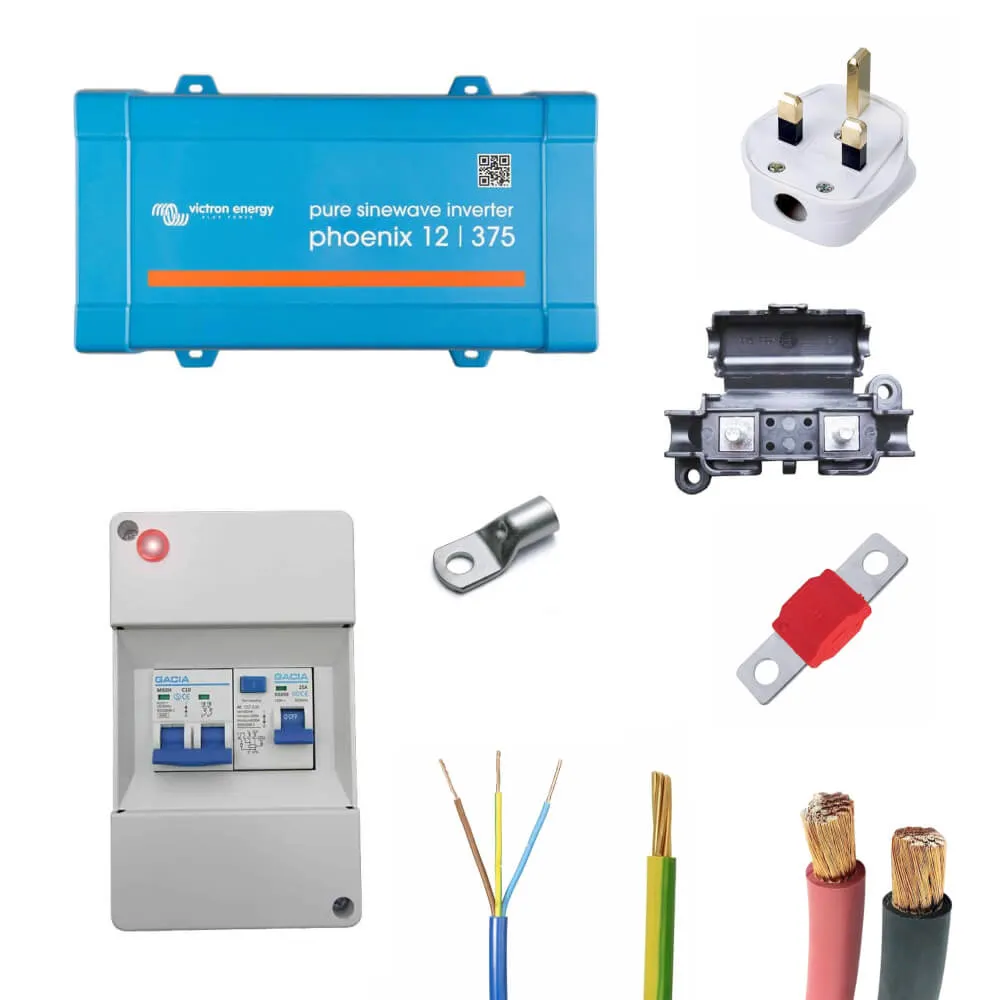
375VA Victron Phoenix Inverter System
£229.99
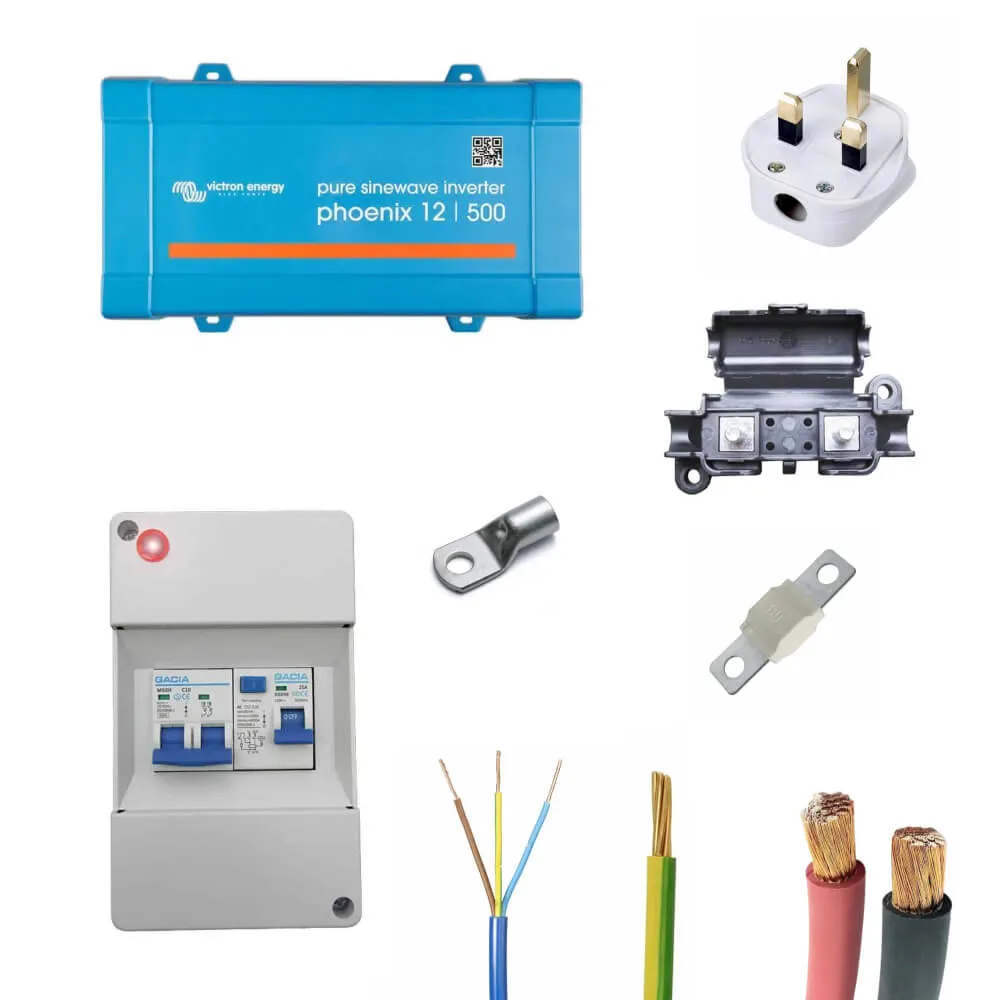
500VA Victron Phoenix Inverter System
£279.99
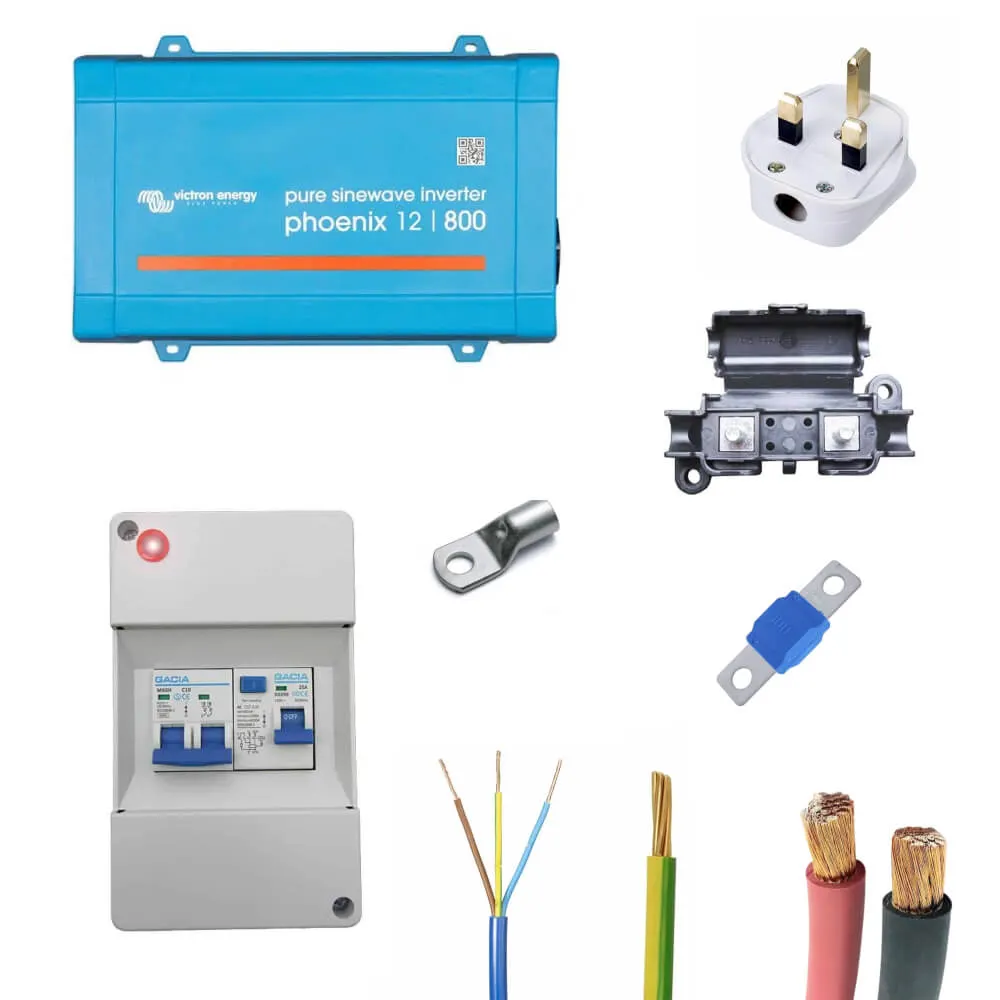
800VA Victron Phoenix Inverter System
£429.99
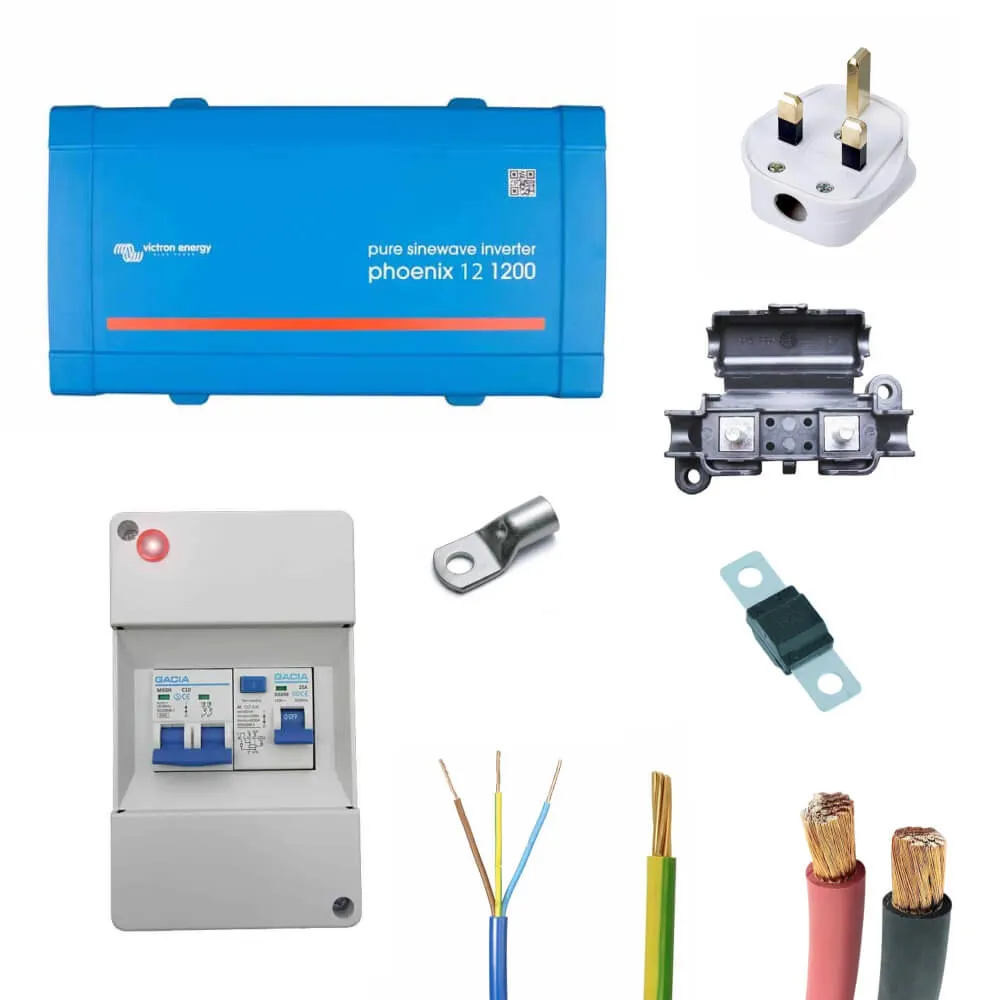
1200VA Victron Phoenix Inverter System
£509.99
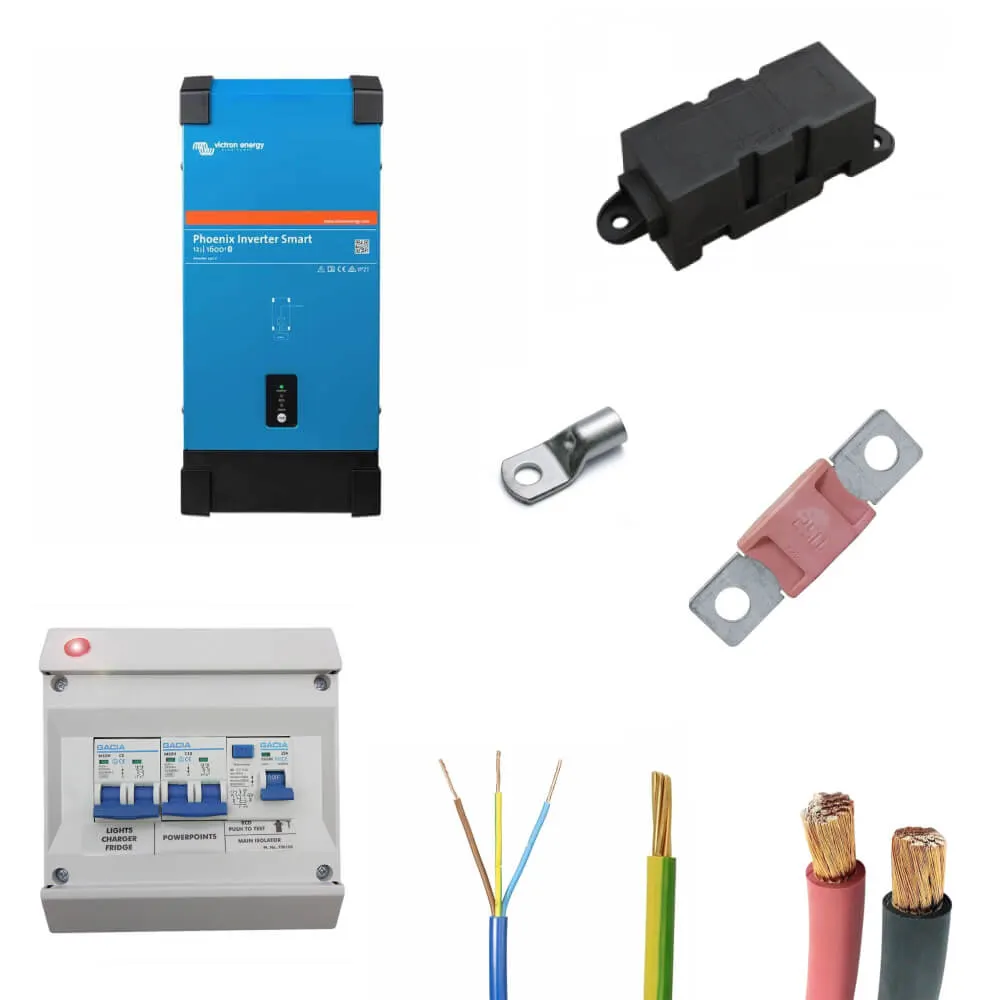
1600VA Victron Phoenix Smart Inverter System
£899.99
So, what size inverter do you need? It really comes down to how you want to power your adventures:
- Just running one thing at a time? A smaller inverter (plus that 20% buffer) will do the job nicely, and keep costs down.
- Want to run everything at once? Go for the total wattage option, so you've got full flexibility off grid; in mixed solar-and-battery setups, the right inverter and battery storage can also improve self consumption and help reduce electricity bills over time.
Either way, get your appliance list sorted, run the numbers (or let our Inverter Size Calculator crunch it for you), and you'll be all set to head off grid with the power you need. And if you're ever unsure, we're always happy to help you build a system that's sized right and ready for the road, with inverter matching as an industry standard consideration.